
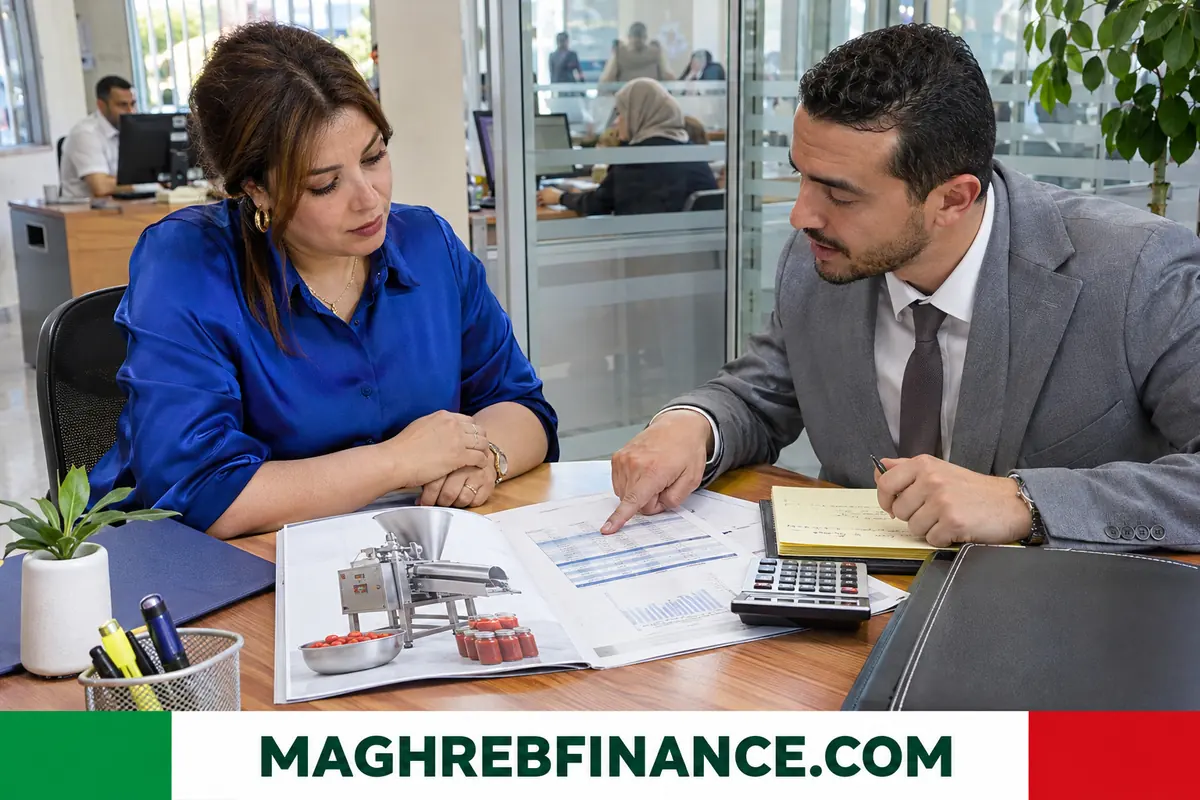
In Algeria, a foreign currency account is held in a currency such as the euro or the dollar and lets a customer make deposits, withdrawals and payments within the framework of exchange regulations. It serves to keep money received from abroad, settle expenses invoiced in foreign money or receive transfers from relatives. Its use is governed by Bank of Algeria rules and by each bank's own terms, which a customer must read carefully before depositing or spending. Rules differ between customer categories, so confirmation is needed. Accurate records help in every dealing with the bank.
What a foreign currency account is for
It avoids converting money received from abroad into dinars straight away, and permits payment of some expenses, subscriptions, study fees or medical bills in the currency of the invoice. It may also gather funds earmarked for a trip.
For exporters, consultants paid from abroad and families with relatives overseas, it protects value when the exchange rate moves.
Students whose families pay tuition abroad, patients booking treatment overseas and small online sellers who buy materials from foreign suppliers may all see a clear benefit.
Anyone who earns income in euros, for example from remote work for a European firm, should check with the bank whether such income can be received directly in the account and how the contract with the client must be documented.
Who may open one and how
Eligibility depends on the applicant's status, the source of funds and the bank's policy. Residents and nonresidents may have interest in different circumstances.
The file usually includes an identity document, proof of address, evidence of the origin of funds and a signed account agreement. Ask the adviser to state in writing which operations are allowed on the account.
Banks may ask for a business justification, a contract or a letter explaining why foreign currency is needed, and some limit the service to specific customer categories.
Deposits: conditions and proof
Foreign currency deposits normally come from transfers received from abroad, declared income or amounts whose origin can be justified. Depositing cash in foreign banknotes is subject to declaration and control rules.
The bank may request documents such as a transfer advice, a contract, an invoice or a customs declaration, and keeps them to answer the regulator's questions.
Where funds come from the sale of services abroad, keep contracts, invoices and proof that the foreign client paid, since the bank may need to match each deposit to a transaction.
Withdrawals and use of funds
Foreign currency withdrawals are subject to ceilings and conditions. Cash withdrawals are limited, while payments by transfer or international card follow separate rules.
The bank explains what is permitted and what supporting papers are needed. Because rules can change, a customer should ask for the current position rather than relying on a friend's story.
Withdrawals in banknotes may be possible only up to a stated amount per period, and any larger sum could require a written request and justification.
Customers who plan a journey should ask about the travel allowance and the card route for spending abroad, rather than assuming that balances in the account can be withdrawn freely as banknotes.
International payments: transfers, cards and platforms
International transfers go through correspondent banks, with fees and delays. Card payments abroad or on international websites follow the card limits and exchange rules.
For recurring purchases, such as software subscriptions, check whether the bank authorises the operation and how the merchant bills. Keep invoices to justify each payment.
Some foreign platforms refuse payments from certain countries or cards, so having an account in the invoice currency does not guarantee that a payment will go through.
Pay attention to the exchange rate used by the merchant or the bank at the time of purchase, because the same item can cost noticeably more if it is converted twice.
Fees, exchange rates and comparison
Charges include account keeping, transfer commissions, correspondent bank fees and the exchange spread. Banks do not always present conditions in the same way.
Ask for the full tariff and simulate a typical operation, for example a transfer of a fixed amount, to compare the final amount received in two banks.
Ask whether the bank charges a fee to close the account or to transfer the balance to another bank, since exit costs are rarely advertised.
Request a statement showing the cost of each operation for at least one month, and keep it to compare with other offers.
A small advantage on the exchange rate can matter more than a small difference in the monthly fee.
Risks: exchange, compliance and fraud
Exchange risk works both ways: a stronger foreign currency raises the dinar value of the balance, while a weaker one lowers it. Compliance risk concerns poorly justified operations, which may be blocked or penalised.
Fraud also exists: offers of favourable rates from unlicensed dealers or requests to move money through personal accounts should be rejected.
Customers should be aware that holding foreign banknotes at home carries theft and counterfeiting risks and does not provide any proof of origin.
Good habits for peace of mind
Open the account with a licensed institution, keep supporting documents, follow statements, stay within the legal framework and put every question to the adviser before acting.
This discipline protects the holder and makes later requests, such as a loan or a transfer abroad, simpler to handle.
It is also wise to review the account agreement once a year, because tariffs and rules may change and the bank must tell clients of modifications.
Frequently asked questions
Who can hold a foreign currency account in Algeria?
It depends on status, source of funds and bank policy, so the bank must confirm eligibility.
Can cash be withdrawn in euros?
Withdrawals are subject to ceilings and conditions set by regulation and by the bank.
Which papers justify a deposit?
Transfer advices, contracts, invoices or customs declarations, depending on the source of the money.
Can the account pay foreign websites?
Possibly, within card limits and exchange rules, after confirmation by the bank.
What are the main risks?
Exchange rate moves, poorly justified operations and fraud by unlicensed dealers.