
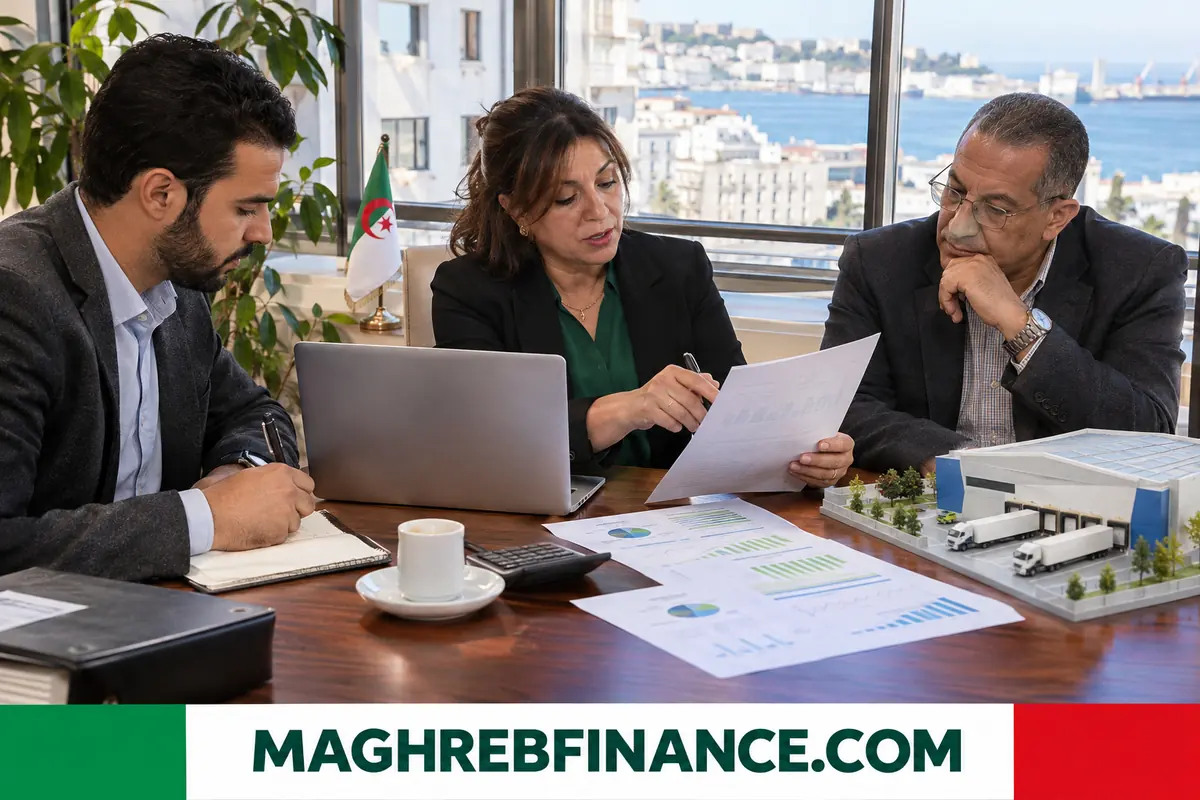
In Algeria, finance, economy, banking, insurance and capital markets are organised around the Bank of Algeria, which issues the Algerian dinar (DZD) and supervises lenders under the Monetary and Banking Law. Public banks hold the largest share of deposits and loans, private and foreign-owned banks serve companies and affluent clients, and a small stock exchange in Algiers complements the system. Hydrocarbon revenue shapes public finances, foreign-currency availability and credit priorities, which makes the sector relevant to households, entrepreneurs, savers, exporters and anyone sending or receiving money.
An economy built on energy and gradually diversifying
Oil and gas exports supply most foreign-currency earnings, and the state-owned group Sonatrach sits at the centre of that chain. When energy prices rise, public spending, foreign-exchange reserves and bank liquidity usually improve; when they fall, budgets tighten and import rules become stricter.
Policy makers are trying to widen the base with agriculture, manufacturing, mining, digital services and non-oil exports. For a business owner or a saver, this background explains why credit priorities, import licences and currency access can change from one budget cycle to the next.
The Bank of Algeria and the dinar
The Bank of Algeria is the central bank. It issues the dinar, runs monetary policy, manages reserves and licenses banks and financial institutions. The main text is the Monetary and Banking Law (Law No. 23-09), which replaced the earlier ordinance on money and credit and sets out licensing conditions, minimum capital, governance and permitted activities.
Supervision and deposit protection
A banking commission carries out off-site and on-site inspections and can impose sanctions. A bank deposit guarantee company, financed by the banks themselves, compensates depositors up to a regulatory ceiling if an institution fails.
Public banks, private banks and financial institutions
Six state-owned banks dominate: Banque Extérieure d'Algérie (BEA), Banque Nationale d'Algérie (BNA), Crédit Populaire d'Algérie (CPA), BADR for agriculture, Banque de Développement Local (BDL) and CNEP-Banque, long associated with housing savings.
Private banks such as Société Générale Algérie, BNP Paribas El Djazaïr, Gulf Bank Algeria and Al Salam Bank Algeria are mostly subsidiaries of foreign groups. Leasing companies and other financial institutions grant specialised credit but do not take ordinary deposits.
The insurance market
Insurance is governed by Ordinance No. 95-07 and later amendments, with supervision attached to the Ministry of Finance. Well-known insurers include SAA, CAAT, CAAR, CIAR, Cash Assurances, Alliance Assurances and Trust Algeria, and some operators sell takaful contracts based on risk pooling.
Third-party motor liability is compulsory for every motor vehicle, and natural-disaster cover is required for business property. Home, health and life policies are voluntary unless a lender asks for them.
Algiers Stock Exchange and capital markets
The Algiers Stock Exchange is operated by SGBV under the supervision of COSOB, the securities regulator. Orders go through licensed brokers, often linked to banks, and a central depository holds the securities. The benchmark index is DZAIRINDEX.
The market is small, with few listed companies and limited trading in shares, so Treasury bonds, term deposits and property remain the most common savings choices. A sovereign Islamic bond has also been issued, showing how sharia-compliant instruments are entering the market.
Islamic finance, microcredit and crowdfunding
Regulations from the Bank of Algeria allow banks to sell murabaha, ijara, mudaraba and musharaka products through dedicated windows or branches, after approval by a national sharia body.
Small projects can turn to ANGEM, the national microcredit agency, while young entrepreneurs may use ANADE. Crowdfunding is still emerging, so contributors should check that a platform is legally identifiable and that funds go to the stated purpose.
Everyday banking, savings and money from abroad
A typical household relationship includes a dinar current account, a card, transfers and a savings book. Customers who earn or receive foreign currency may be eligible for a currency account, subject to exchange-control rules. CNEP-Banque is the reference for housing savings, which can later give access to a home loan under that product's own conditions.
Consumer and mortgage loans are assessed on income stability, the debt ratio and guarantees. Employers often domicile salaries at the lending bank, and the monthly instalment should stay comfortably within household income.
Foreign exchange is tightly regulated. Importers, exporters, students and travellers each follow specific rules on how much currency can be bought, held or transferred, and banks require supporting documents for each operation. Families receiving money from relatives abroad should use authorised channels and keep transfer receipts.
Anyone planning a purchase abroad should ask the bank which rate applies, what fees are added and how long the settlement takes.
Client rights and sensible precautions
A loan needs a written contract stating the amount, term, rate, fees and any insurance. Consumer-protection rules apply to financial services, and complaints go first to the bank's customer department, then to the Bank of Algeria.
Before handing money to an intermediary, check the official list of licensed banks and financial institutions. Fake foreign lenders asking for advance fees are a classic fraud pattern.
Frequently asked questions
What is the currency of Algeria and who issues it?
The Algerian dinar (DZD) is issued by the Bank of Algeria, which also conducts monetary policy and supervises the banking system.
How can I tell whether a bank or insurer is licensed in Algeria?
The Bank of Algeria publishes the list of licensed banks and financial institutions, and insurers appear in the supervisory authority's lists. Anyone absent from them, especially if asking for fees upfront, should be avoided.
Does Algeria have a stock exchange?
Yes. The Algiers Stock Exchange, run by SGBV, lists shares and bonds and trades Treasury securities, but it remains narrow and access is through a licensed broker.
Which insurance policies are compulsory in Algeria?
Third-party motor liability is mandatory for motor vehicles, and natural-disaster cover applies to business property. Other contracts, such as home insurance, are optional unless a lender requires them.
All pages: Algeria
Banks and credit institutions
Businesses — Commercial insurance
- Algeria business property inventory equipment insurance coverage
- Algeria business interruption insurance income loss protection
- Algeria machinery breakdown computing equipment insurance coverage
- Algeria professional indemnity public liability business insurance
- Algeria decennial liability contractors all risks insurance
- Algeria directors officers corporate liability insurance protection
- Algeria vehicle fleet construction machinery insurance coverage
- Algeria cargo insurance land sea air transport
- Algeria trade credit insurance domestic export nonpayment
- Algeria cyber risk data loss insurance protection
- Algeria key person insurance director absence death
- Algeria finance lease insurance financial loss protection
- Algeria group protection supplementary pensions employee health
- Algeria workplace accident occupational disease insurance coverage
- Algeria business legal protection insurance dispute assistance
- Algeria business Takaful participatory company fleet insurance
Businesses — International trade
- Algeria documentary credits letters of credit financing
- Algeria documentary collection international trade payment services
- Algeria standby letter of credit bank guarantee
- Algeria export prefinancing foreign trade receivables financing
- Algeria currency hedging foreign exchange forwards options
- Algeria bank guarantees bids performance advances retention
- Algeria customs bonds guaranteed payment undertakings businesses
Businesses — Investment and growth
- Algeria investment loans business creation expansion modernisation
- Algeria Islamic business financing Murabaha Istisna Musharaka
- Algeria business microcredit honour loans entrepreneur financing
- Algeria venture capital growth capital equity financing
- Algeria grants investment incentives government subsidised loans
Businesses — Leasing and asset finance
- Algeria conventional movable asset finance leasing businesses
- Algeria vehicle fleet rentals leasing purchase options
- Algeria leasing light commercial vans refrigerated trucks
- Algeria heavy truck tractor unit trailer leasing
- Algeria passenger transport bus minibus taxi leasing
- Algeria construction machinery leasing excavators cranes bulldozers
- Algeria agricultural equipment tractor irrigation system leasing
- Algeria medical dental laboratory imaging equipment leasing
- Algeria industrial equipment machine tools production leasing
- Algeria computing equipment servers software telecommunications leasing
- Algeria office furniture equipment leasing business finance
- Algeria restaurant hotel bakery equipment leasing finance
- Algeria renewable energy equipment generator leasing finance
- Algeria boats fishing vessels maritime equipment leasing
- Algeria property leasing offices factories warehouses clinics
- Algeria movable assets property sale leaseback financing
- Algeria Ijara wa Iqtina Islamic business leasing
Businesses — Treasury and payments
- Algeria business company accounts professional banking services
- Algeria foreign currency business accounts importers exporters
- Algeria electronic payment terminals ecommerce business solutions
- Algeria business corporate banking cards company payments
- Algeria corporate treasury investments deposits money funds
- Algeria centralised treasury management corporate cash pooling
Businesses — Working capital finance
- Algeria business cash facilities authorised overdraft financing
- Algeria business liquidity loans working capital financing
- Algeria commercial bill discounting trade receivables financing
- Algeria factoring reverse factoring invoice supplier financing
- Algeria seasonal business loans working capital financing
- Algeria goods advances warehouse receipt financing inventory
Crowdfunding
Economic and financial press
Individuals — Accounts and payments
- Algeria current account checking account banking services
- Algeria joint youth student accounts banking services
- Algeria foreign currency account deposits withdrawals payments
- Algeria diaspora nonresident bank account international services
- Algeria debit cards domestic international purchases payments
- Algeria credit cards deferred debit revolving reserve
- Algeria prepaid virtual cards online shopping payments
- Algeria electronic wallet mobile payment money transfers
- Algeria instant bank transfers automatic direct debits
- Algeria checkbook bank check issuance payment services
Individuals — Insurance and protection
- Algeria borrower insurance death disability incapacity unemployment
- Algeria car insurance liability comprehensive cover assistance
- Algeria motorcycle scooter insurance two wheeler protection
- Algeria comprehensive home insurance rental property owners
- Algeria supplemental health insurance mutual medical coverage
- Algeria personal accident insurance everyday life protection
- Algeria travel repatriation insurance international medical assistance
- Algeria school extracurricular insurance children student protection
- Algeria payment methods identity theft fraud insurance
- Algeria funeral insurance family protection death benefits
- Algeria long term care insurance dependency assistance
- Algeria personal legal protection litigation defense assistance
- Algeria takaful participative islamic family property insurance
Individuals — Leasing and rental
- Algeria car leasing purchase option personal financing
- Algeria inclusive long term car leasing services
- Algeria motorcycle scooter electric mobility personal leasing
- Algeria solar household equipment leasing individual financing
- Algeria Ijara wa Iqtina vehicle property leasing
Individuals — Personal borrowing
- Algeria conventional mortgage loan financing home purchase
- Algeria subsidized approved mortgage loans home financing
- Algeria land purchase loans house construction financing
- Algeria property bridging loans home purchase resale
- Algeria personal loan refinancing debt monthly repayments
- Algeria unrestricted personal loans individual spending financing
- Algeria earmarked consumer loans appliances renovation solar
- Algeria car motorcycle loans private vehicle financing
- Algeria education health wedding travel personal loans
- Algeria authorized bank overdraft and salary advance
- Algeria lombard loans savings securities collateral financing
- Algeria murabaha property vehicle equipment personal financing
- Algeria personal microcredit loans individual needs financing
Individuals — Savings and investments
- Algeria traditional savings account deposits withdrawals interest
- Algeria regulated tax exempt savings accounts interest
- Algeria term deposit account savings maturity interest
- Algeria housing savings plan deposits property financing
- Algeria education savings plan tuition fees financing
- Algeria retirement savings plan capital annuity payments
- Algeria life insurance local currency investment units
- Algeria bank savings certificates treasury bills investments
- Algeria collective investment funds OPCVM SICAV FCP
- Algeria listed shares bonds stock market investments
- Algeria islamic participative savings mudarabah investment sukuk
Insurance
Islamic finance
Microcredit and microfinance
Press and media — Digital and broadcast media
- Algeria economic financial news agencies live feeds
- Algeria professional newsletters B2B economic outlook notes
- Algeria television webtv channels economy financial markets
- Algeria economic news radio financial entrepreneurial podcasts
Press and media — Financial markets press
- Algeria stock market newspapers quotes equities bonds
- Algeria personal finance wealth management savings magazines
- Algeria specialist banking finance insurance journals publications
- Algeria private-equity venture-capital mergers acquisitions journals analysis
- Algeria commodities energy currencies forex analysis bulletins
Press and media — General economic press
- Algeria national international daily economic financial newspapers
- Algeria monthly strategy management leadership business magazines
- Algeria economic geopolitics strategic intelligence analysis journals
Press and media — Industry publications
- Algeria startup innovation technology fintech news publications
- Algeria property construction public-works urban planning journals
- Algeria agriculture agrifood fisheries industry news press
- Algeria industry logistics transport international trade journals
- Algeria business law taxation accounting specialist journals
- Algeria tourism hospitality distribution industry news publications