
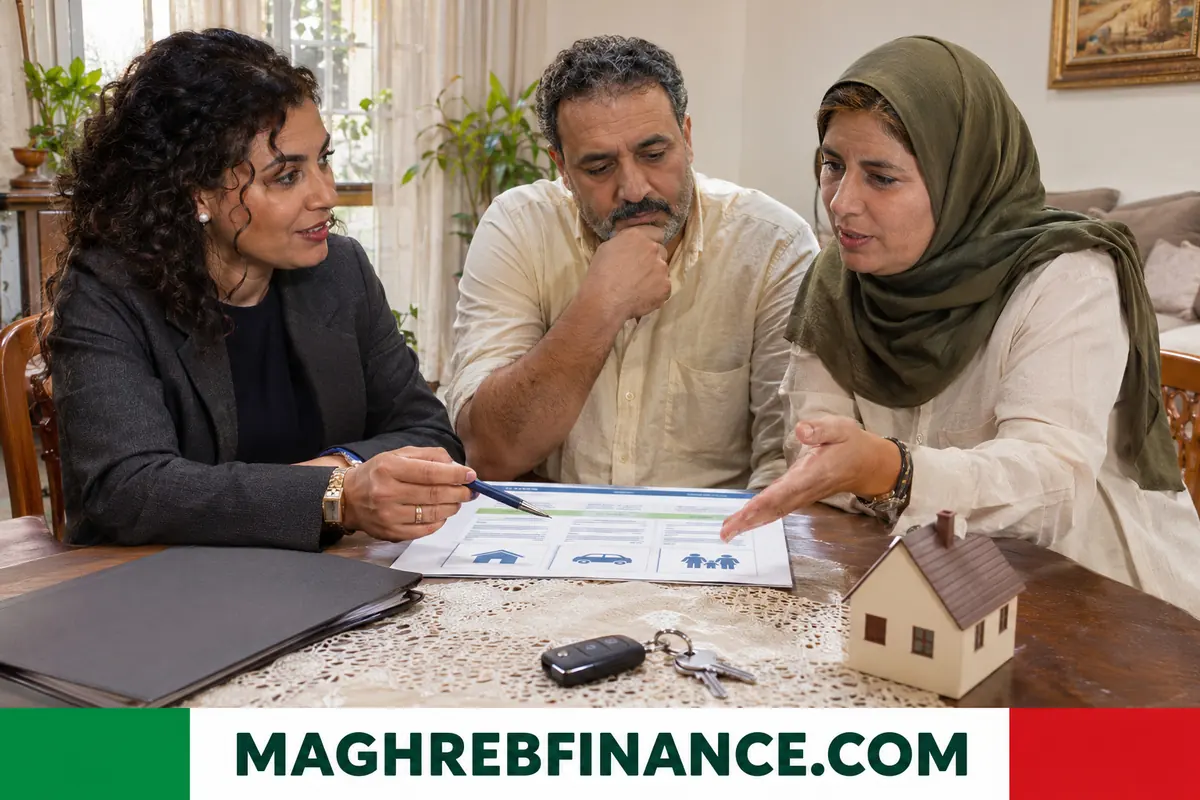
In Libya, insurance companies and brokers sell auto, home, health, marine and life cover to individuals and businesses, under an authority that supervises the sector. A historic state-owned company leads the market, with private firms alongside it. Third-party motor insurance is compulsory, while most other policies are optional and bought mainly by companies, including those serving the oil industry. In an unstable economic setting, reading guarantees, exclusions and claim procedures carefully is the decisive step before signing any contract. Customers also gain from asking about deductibles, limits and renewal conditions before they pay the first premium.
What insurance is for
Insurance converts an uncertain and costly event into a regular, known expense. The policyholder pays a premium, and the insurer pledges to compensate losses listed in the contract: collisions, fire, theft, water damage, illness or death.
The principle is pooling: many people pay so that a few can be compensated. A policy is only worth what its wording promises, so limits, deductibles and exclusions matter more than the headline price.
In practice, clients should compare what a policy actually pays for a typical loss, such as a cracked windscreen or a stolen phone, rather than relying on slogans, because small differences in wording can change a payment dramatically.
Companies, agents and brokers
An insurance company designs and carries the risk. A broker advises the client and compares offers from several insurers for a commission, while an agent represents one company.
How to choose
Check the licence, ask for the general conditions, compare at least two quotations and enquire about the usual time taken to settle claims.
A broker should disclose how the commission is paid and whether the company has authority to place cover with several insurers. Written advice protects the client if a disagreement arises later.
Motor insurance: compulsory and optional cover
Third-party liability covers damage caused to others and is required by law. It does not repair the insured vehicle. Broader protection comes from optional guarantees.
- Collision cover pays for repairs to the insured car.
- Theft and fire cover pays compensation if the car is stolen or burns.
- Windscreen and assistance options help with minor incidents.
- Driver protection covers injuries to the person at the wheel.
After an accident, the driver should gather the report, photographs and witness details before contacting the insurer.
Fleet owners, taxi drivers and delivery businesses need commercial vehicle policies that mention passengers, goods and professional use, because private cover can be refused when a car is used for work.
Rental cars and company vehicles raise extra questions, so drivers must read who is named on the policy.
Home and business policies
Home cover protects against fire, water damage and theft, and includes liability towards neighbours or the landlord. Companies buy policies suited to their activity: fire, goods in transit, public liability, machinery breakdown and construction risks.
Valuing what is insured
Underestimating value leads to reduced compensation after a loss. A dated inventory with photographs makes later claims easier.
Shops and workshops should list stock, equipment and fittings separately, and keep invoices, since insurers often ask for proof of purchase after a fire or burglary.
Property owners in coastal towns may ask about storm and flood protection, while those in older neighbourhoods should check whether wiring and structural defects are excluded.
Life, health and travel cover
Health insurance supplements or replaces public care, especially for treatment abroad. Travel insurance pays medical costs, repatriation and cancellations. Life insurance, less common, provides a capital sum for relatives or a savings plan.
Takaful contracts rest on solidarity among participants rather than the insurer's profit, and interest in them is growing among customers who want sharia-compliant protection.
Many families abroad buy medical and travel cover for a relative visiting for treatment, checking whether pre-existing conditions are excluded and which hospitals accept direct billing.
Reporting a claim and getting paid
Notification should be quick and precise: date, place, circumstances, people involved and an estimate of damage. Supporting papers include the accident report, a police statement, medical certificates, quotations or invoices.
An expert may be appointed to assess the loss, and the insured can request a copy of the report and challenge it. If a claim is refused, a reasoned written complaint comes first, followed by an appeal to the supervisor or the courts.
Photographs of damage taken immediately, together with repair quotations from two garages, speed up the assessment and reduce disputes over the amount.
Common traps
Failing to mention an important fact at signature, such as business use of a private car, can reduce or cancel compensation. Missing a premium payment suspends the guarantees. Forged certificates expose holders to prosecution.
Be wary of informal sellers offering very cheap policies but unable to show a licence or an official receipt.
A tempting cheap premium may hide a very high deductible, so ask for the exact sum the policyholder must pay out of pocket before compensation starts.
Supervision and consumer protection
A supervisory authority checks the financial strength of insurers and handles some complaints. Policyholders should keep contracts, endorsements, receipts and written exchanges, request changes in writing and confirm that the insurance certificate is valid before driving or starting a building job.
Premium receipts should list the policy number, the period covered and the insurer's stamp, and customers should store digital copies to avoid problems after a move or a lost document.
Frequently asked questions
Is car insurance compulsory in Libya?
Third-party liability cover is compulsory, while other guarantees are optional.
How do brokers differ from agents?
A broker advises the client and compares insurers, whereas an agent represents one company.
What should be done after an accident?
Complete a report, notify the insurer on time and keep photographs and receipts.
What is takaful?
A solidarity-based insurance model, designed to comply with Islamic principles, in which participants share risk.
How can an insurer be verified?
By asking for its licence and checking the list of authorised companies with the supervisory authority.
List of insurance companies in Libya
| Organisation | Type | Website |
|---|---|---|
| Libya Insurance Company | State-owned insurer | — |
| United Insurance Company | Private insurer | — |
| Africa Insurance Company | Private insurer | — |
Non-exhaustive list; please check with each organisation.
Pages on the same theme
Individuals — Insurance and protection
- Libya borrower insurance death disability incapacity unemployment
- Libya car insurance liability comprehensive cover assistance
- Libya motorcycle scooter insurance two wheeler protection
- Libya comprehensive home insurance rental property owners
- Libya supplemental health insurance mutual medical coverage
- Libya personal accident insurance everyday life protection
- Libya travel repatriation insurance international medical assistance
- Libya school extracurricular insurance children student protection
- Libya payment methods identity theft fraud insurance
- Libya funeral insurance family protection death benefits
- Libya long term care insurance dependency assistance
- Libya personal legal protection litigation defense assistance
Businesses — Commercial insurance
- Libya business property inventory equipment insurance coverage
- Libya business interruption insurance income loss protection
- Libya machinery breakdown computing equipment insurance coverage
- Libya professional indemnity public liability business insurance
- Libya decennial liability contractors all risks insurance
- Libya directors officers corporate liability insurance protection
- Libya vehicle fleet construction machinery insurance coverage
- Libya cargo insurance land sea air transport
- Libya trade credit insurance domestic export nonpayment
- Libya cyber risk data loss insurance protection
- Libya key person insurance director absence death
- Libya finance lease insurance financial loss protection
- Libya group protection supplementary pensions employee health
- Libya workplace accident occupational disease insurance coverage
- Libya business legal protection insurance dispute assistance