
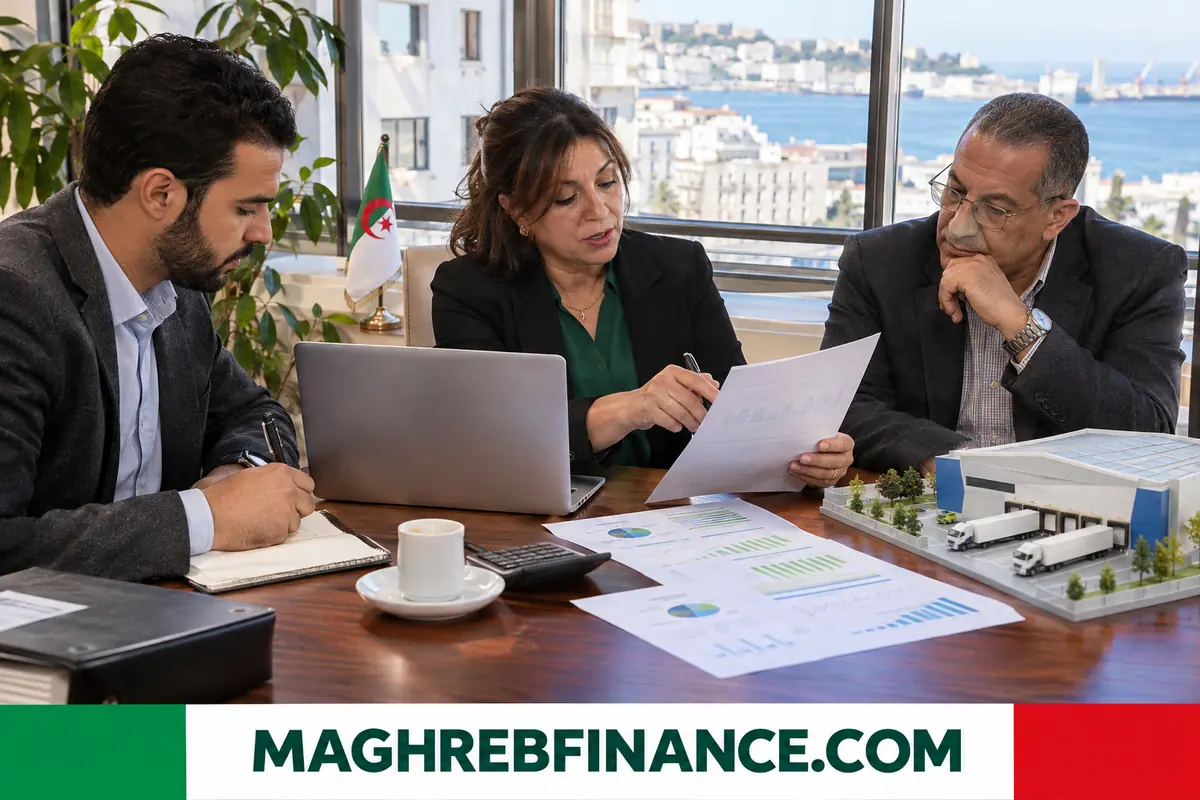
In Algeria, seasonal business loans, known locally as campaign credit, are short-term working capital financing for activities with a peak season. They help firms buy inputs, stock and packaging and pay seasonal workers before the sale of the harvest or the high season brings in revenue. Farmers, processors, hotels, seasonal traders and packaging firms use them. They are granted in Algerian dinars (DZD) by public and private banks, for a period matching the activity cycle, and are repaid from sales.
Seasonal activities in Algeria
Many Algerian businesses depend on the calendar. Cereal and market-garden farmers invest before sowing and earn after harvest. Date producers in the south pay for pollination and labour months before selling. Olive-oil mills and fruit processors work in short peaks. Coastal hotels and restaurants prepare in spring for summer demand, and Ramadan or school-year purchases drive trading peaks.
In all these cases costs come first and revenue comes later, so cash runs short just when spending is highest.
The principle of campaign credit
Campaign credit is drawn at the start of the cycle, often in tranches as expenses arise, and repaid when the output is sold. Its term follows the cycle, usually under a year, and the repayment date is set after the expected sale.
Banks study the activity plan: area cultivated or capacity of the plant, expected yield, sales channels, past results. The loan amount is tied to the budget of the campaign rather than to a general credit limit, which keeps the loan focused on the purpose.
Agriculture: the main user
Agricultural financing is handled mainly through the Banque de l'Agriculture et du Développement Rural (BADR), alongside other public banks, and farmers have access to government-backed seasonal schemes such as the R'fig campaign credit offered through BADR, subject to the conditions in force. The mutual insurer CNMA offers insurance against climate and other risks to farmers.
A farmer applying will typically provide a land title or a lease, the plan of crops, the identity papers and the registration with the agricultural chamber. Because rules and subsidies are adjusted over time, check the current conditions with the bank before budgeting.
Hotels, trade and processing
Outside farming, a hotel may borrow to repaint, restock and recruit before the summer; a trader may buy stock before school openings or religious holidays; a food processor may buy raw produce at harvest and store the products.
The key question is the same: when does cash come in, and does the repayment date match it? A hotel that expects bookings from June should not set repayment in March. For tourism, an alternative is to ask for deposits from tour operators.
Application file, guarantees and conditions
The bank usually requests the legal documents, recent accounts, the seasonal budget with dates, proof of contracts or orders and details of any previous loans. Guarantees can include a pledge on crops or stock, a mortgage, a personal guarantee or an assignment of sales receipts.
For small borrowers, guarantee funds and public programmes can reduce the need for collateral. Disbursement in tranches, with checks that money is used as planned, is common.
Can the repayment date be moved if the harvest is late?
It can be discussed with the bank in advance, but changes are not automatic and may carry extra cost.
Risks, alternatives and planning the season
Weather, price swings, pests, late deliveries and customers who pay slowly can all upset the plan. Insurance, diversification of sales channels and prudent budgeting reduce the exposure.
Alternatives include supplier credit, advances against goods stored in a warehouse, a cash facility or bill discounting. A realistic monthly cash plan covering the whole season, with a margin for surprises, is the best tool for both the borrower and the bank. After the season, compare actual results with the plan to improve the next application.
Costs and loan structure
The price of a seasonal loan combines interest on the amounts drawn, handling fees and sometimes an insurance or guarantee charge. Because the loan is drawn in tranches, interest is usually calculated only on the sums actually used and for the time they are outstanding.
Some public schemes reduce or remove interest for specific farm activities, as the state bears part of the cost. Always ask whether the offer is fully subsidised, partly subsidised or at normal commercial terms.
Compare the cost with the margin the season is expected to generate, and keep a reserve in case the sale price is lower than budgeted.
An example: a date producer in the south
A grower near Biskra or Ouargla needs funds in spring for labour, irrigation, fertiliser and packaging, while the date harvest is sold from autumn. The producer prepares a budget by month and meets the bank with the plan.
The bank agrees to release funds in March, May and July. Repayment is set for December, after sales to packers and exporters. The grower shows contracts with buyers to reduce the risk of the sale price falling.
The structure works because the borrowing is tied to the crop cycle. If the plan changes, the farmer informs the bank early and proposes a revised calendar.
Frequently asked questions
What does the bank look at first?
The activity plan, the track record and the expected sale of the output, since repayment comes from it.
Is campaign credit only for farmers?
No. Hotels, processors, traders and packaging firms with seasonal cycles can also use it.
When is it repaid?
Normally after the sale of the harvest or the end of the high season, on a date set in the contract.
Can insurance help in getting the loan?
Yes. Cover against weather and other risks strengthens the file and protects repayment capacity.
Are there subsidised schemes?
Some public schemes exist for farmers, but conditions change, so ask the bank for the current rules.