
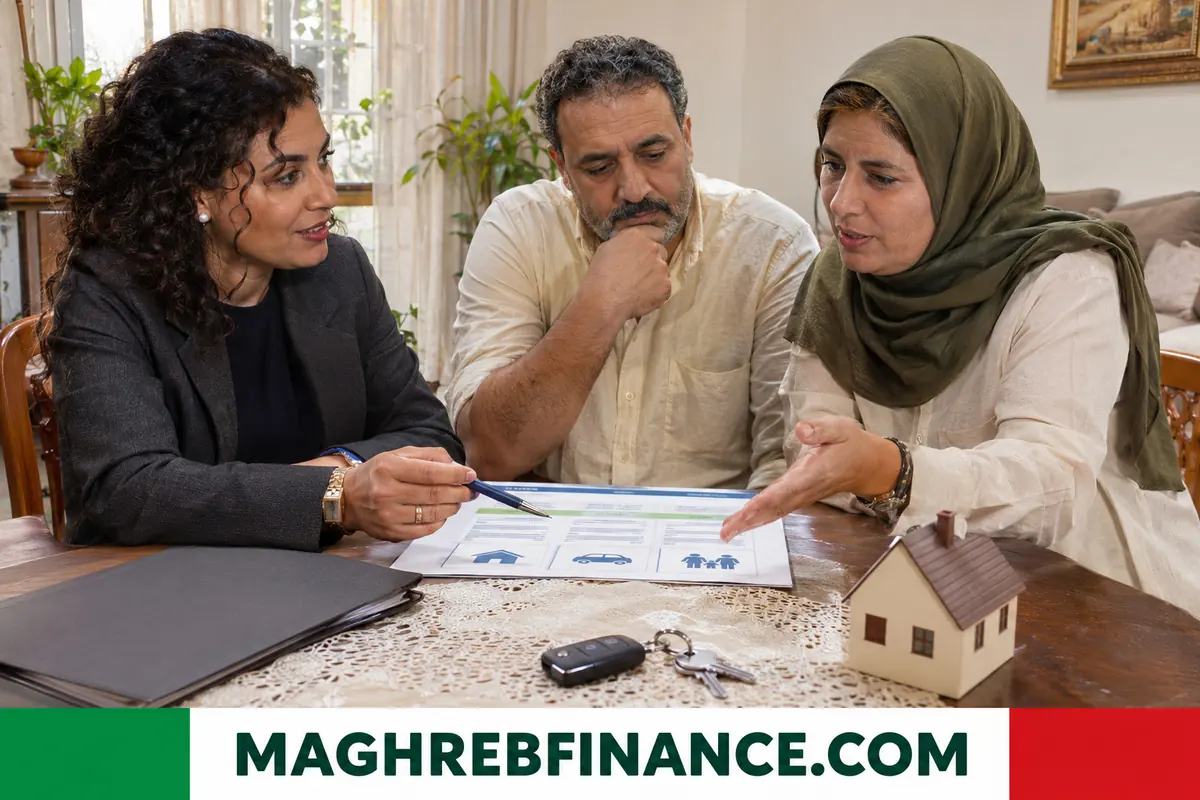
In Libya, car insurance with liability, comprehensive cover and assistance is sold by licensed insurers, and third-party liability is compulsory for every vehicle on the road. Premiums are paid in Libyan dinars (LYD) and the market is supervised by a national insurance authority. Comprehensive cover and assistance options are chosen freely by the owner, so drivers should compare what each policy actually pays after an accident, a theft or a breakdown, rather than looking only at the headline price. Ask for the full policy wording first.
Car insurance: compulsory liability cover
The legal minimum covers injury and damage the driver causes to other people. It does not repair the insured car, nor does it always pay for the driver's own injuries.
Keep the certificate and the sticker or card in the car, since police checks and accident reports usually require them.
A driver without valid liability insurance risks penalties and may have to pay victims personally after a serious accident. The cost of the compulsory policy is small compared with this exposure.
Comprehensive cover: what it adds
Comprehensive insurance goes further and may include collision damage, fire, theft, natural events and broken glass. It often applies an excess, which is the share the owner pays after each claim.
Check the sum insured. If the declared value is much lower than the real value, the payout may be reduced in proportion.
Total loss and partial repair are settled differently. In a total loss, the payout is based on the vehicle's value before the accident, which is why the declared value at purchase matters. Ask how depreciation is calculated.
Assistance and extra guarantees
Assistance provides towing, battery help or a replacement vehicle after a breakdown or an accident. Some insurers include limited help within a distance, while others sell it as an option.
Other extras are passenger injury cover, legal defence and a rental car. Weigh their price against how often you drive and where.
Persons who rely on their car for work should ask whether the insurer offers a replacement vehicle during long repairs. Without it, a garage delay of several weeks can become a serious loss of income.
Check whether assistance works in every city or only near the main towns, since breakdowns on desert roads are the hardest to solve.
A towing limit expressed in kilometres is common, so read it.
Factors that set the premium
Insurers consider the driver's age and record, the type, age and value of the car, the engine size and the use, private or commercial. A newer or more powerful vehicle costs more to insure.
Ask whether a no-claims discount exists and what happens to it after a claim.
Young drivers and owners of imported or high-end cars pay more. Raising the excess, installing an approved alarm or parking in a closed garage can sometimes reduce the premium, so ask about these options.
A garage that issues a pro forma estimate before repair helps the insurer approve costs quickly.
Documents and buying steps
Bring the vehicle registration, the driving licence, identity papers and, for a financed car, the lessor's or bank's requirements. The insurer inspects or values the car for comprehensive cover.
Pay only through a licensed office and keep the receipt. Check the policy for the right chassis and plate number before you leave.
Spare parts can be slow to arrive, so ask whether the insurer lets you choose the garage and whether it pays for original or equivalent parts. These details affect how quickly the car returns to the road.
After an accident
Protect people first, call emergency services where needed and obtain a police or traffic report. Photograph the scene and the damage, note the details of the other driver and any witnesses.
Notify the insurer within the period in the policy and do not agree on compensation privately before taking advice.
Take a record of the other vehicle's plate, the insurer's name and the policy number if possible. A prompt written statement signed by both drivers helps when the facts are disputed later.
Theft, fraud and unlicensed sellers
Fake certificates and policies from unlicensed sellers are a real risk. Verify the insurer's name and ask for a printed policy number that the company can confirm by phone.
In a theft, report to the police at once, then to the insurer, and provide keys and papers as required.
Be careful with a seller who requires a cash payment with no receipt, or who asks you to pick up the certificate later. Genuine insurers issue a numbered document at the time of payment.
Ask whether a no-fault accident report from a neighbouring country can be accepted and how it is converted into a claim.
Keep a record of dates for every foreign trip.
Cross-border and rental use
A Libyan policy does not automatically apply abroad. Drivers heading to a neighbouring country should ask whether a separate cover or a border policy is needed.
If the car is rented or leased, read who must insure it and whether the lessor must be named as beneficiary.
Check the territorial limits of the policy and the conditions of use. Using a private car for paid transport can void the cover, and so can letting an unlicensed person drive it.
Frequently asked questions
Is comprehensive insurance compulsory?
No. Only third-party liability is mandatory, while comprehensive cover and assistance are optional extras chosen by the owner.
Does the policy cover my own injuries?
Not always. The liability part protects others, so ask about driver and passenger injury cover separately.
What is an excess?
It is the part of each claim that you pay yourself before the insurer pays the rest, and a higher excess usually lowers the premium.
How do I check a policy is real?
Contact the insurer using official contact details, quote the policy number and confirm the vehicle details on record.