
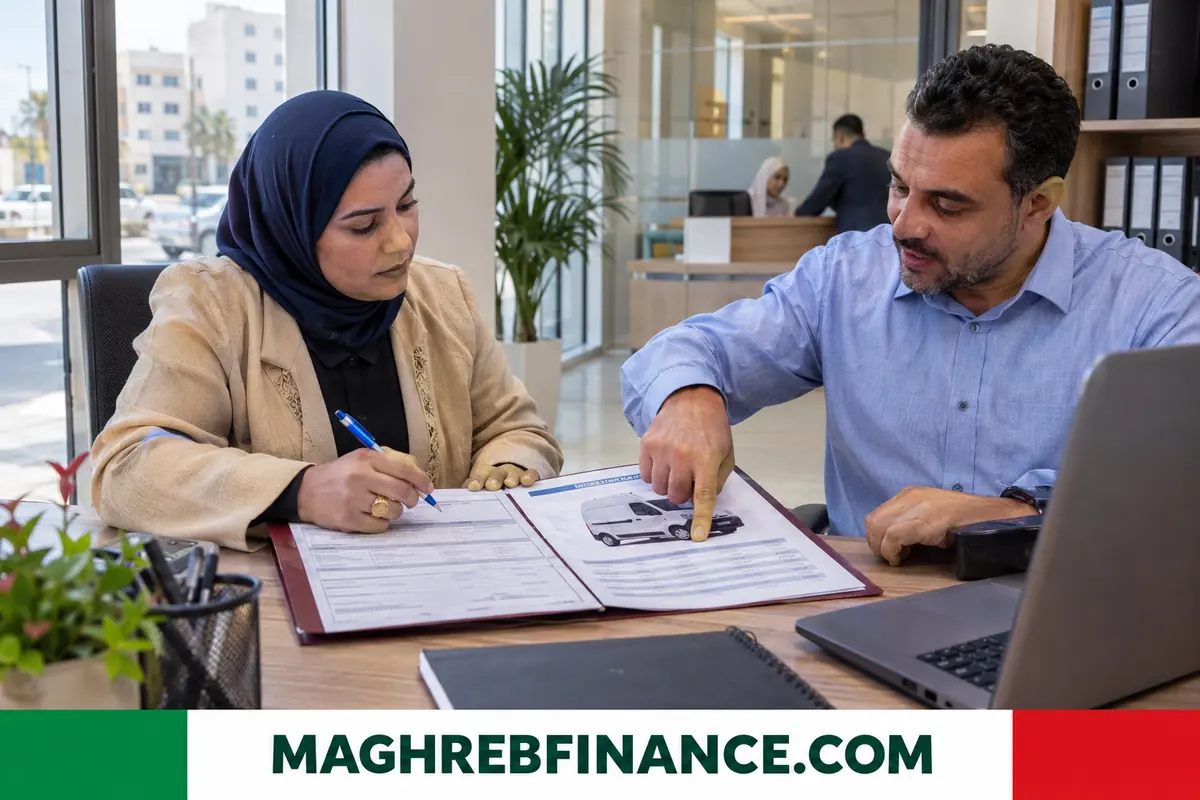
Libya, passenger transport bus, minibus and taxi leasing helps operators and drivers acquire vehicles through instalments, not full payment. A lessor buys the vehicle, the operator uses it commercially and pays an agreed amount over time, with ownership sometimes transferred at the end. Demand comes from school and staff transport, intercity routes, taxis and app-based private hire services in larger cities. The market is limited and relies on banks, dealers and Islamic ijara structures under Libyan law, so conditions depend on licences, insurance, route income and the lessor's confidence in the operator.
Who needs passenger vehicle leasing
Typical users are taxi drivers, small minibus operators serving neighbourhoods, school transport firms, hotels, companies moving staff and tour operators. Some are individuals with a single vehicle, others are companies adding capacity.
Passenger transport income is steady but sensitive to fuel prices, road conditions and competition. A driver who owns the vehicle can gain independence, while a company can expand without paying a large sum at the start.
A school bus contract or a staff transport agreement with a company gives a lessor confidence, because income is predictable and documented.
Mobile apps for ride booking, where available, can raise utilisation but may also bring commissions.
Vehicle types and licensing
Buses, minibuses and taxis each carry different rules. Public passenger transport normally requires a licence for the vehicle and for the driver, and some routes or areas may restrict the number of permits.
A lessor will want to see that the operator can obtain the correct permit, because a vehicle without a licence cannot earn income. Chauffeur-driven private hire is less formalised in some areas, so check the local requirements before financing.
Operators should confirm any limits on the age of vehicles allowed for public transport, as some areas restrict older models.
Keep all permits current.
Applicants should keep copies of every certificate, inspection report and permit receipt together in one folder, because lessors often ask for them again at renewal.
Eligibility and documents
Applicants typically provide identity papers, a driving licence of the correct category, proof of income or contracts, bank statements and any existing transport permit. Companies add registration and tax documents.
Lessors look at experience, track record and the expected revenue per vehicle. A driver with a clean record and a steady client, such as a school or hotel, has a better chance than someone with no history.
Many applicants underestimate how closely lessors examine driver history, so a clean record and references from past employers help.
Provide recent bank or mobile wallet statements to prove income.
A lessor may call previous clients or employers for references, so provide contact details that can be verified quickly.
Costs, payments and ownership
Payments should be compared with realistic daily income, fuel and servicing costs. A simple monthly budget showing fares, expenses and instalments reveals whether the vehicle can be repaid comfortably.
Ask about the deposit, the length of the contract, insurance charges, penalties for late payment and the way ownership is transferred. Do not assume ownership passes automatically unless the contract states it.
Divide expected daily takings by the number of working days, subtract fuel, servicing and insurance, and see how much remains for the instalment.
Fuel costs vary with the engine and the load.
Remember to include annual inspection fees, tyre replacement and cleaning in the monthly budget, because these small items add up over a year.
Insurance, safety and maintenance
Passenger vehicles need strong insurance, since accidents can injure many people. Compulsory third-party insurance is a minimum, and lessors usually require comprehensive cover.
Regular inspection of brakes, tyres and lights protects passengers and keeps the vehicle available. Operators should keep logs of servicing and driver hours, and avoid overloading, which increases accident risk and can void insurance.
Drivers should avoid carrying more passengers than the vehicle's seats allow, and operators should check that seat belts and emergency exits meet requirements.
Fire extinguishers, first aid kits and clear seating rules are basic safety measures that customers notice and that insurers expect.
Risks
Income can fall because of road closures, security concerns, competition, price control on fares or low demand in quiet seasons. A breakdown stops earnings while instalments continue.
Reduce risk by choosing a reliable model with accessible spare parts, building a small reserve for repairs and keeping fares and costs in a simple record. Avoid overextending by taking too many vehicles at once.
Fare regulation and local competition from informal operators can reduce income, so a conservative budget is safer than relying on peak earnings.
Practical steps
Request offers from banks and dealers, and compare total cost, not only instalments. Confirm the permit situation in writing, read the termination clause and ask how the lessor treats accident damage.
Ask each lessor to state clearly what happens to deposits and payments already made if the contract ends early.
Finally, make sure instalment dates match the days when income is highest, such as the start of the school term or the weekend.
Frequently asked questions
Can an individual taxi driver obtain a lease?
Yes, if the lessor accepts the driver's record and income. A deposit or guarantor may be requested.
Does leasing include the transport permit?
Usually no. The operator must obtain the licence or permit, and the lessor may ask to see it before releasing the vehicle.
Are school buses treated differently?
They often face stricter safety and licensing requirements. Contracts with schools can help support the lease application.
What happens after an accident?
Notify the insurer and lessor immediately. The contract and policy decide who pays for repair and what happens if the vehicle is a total loss.