
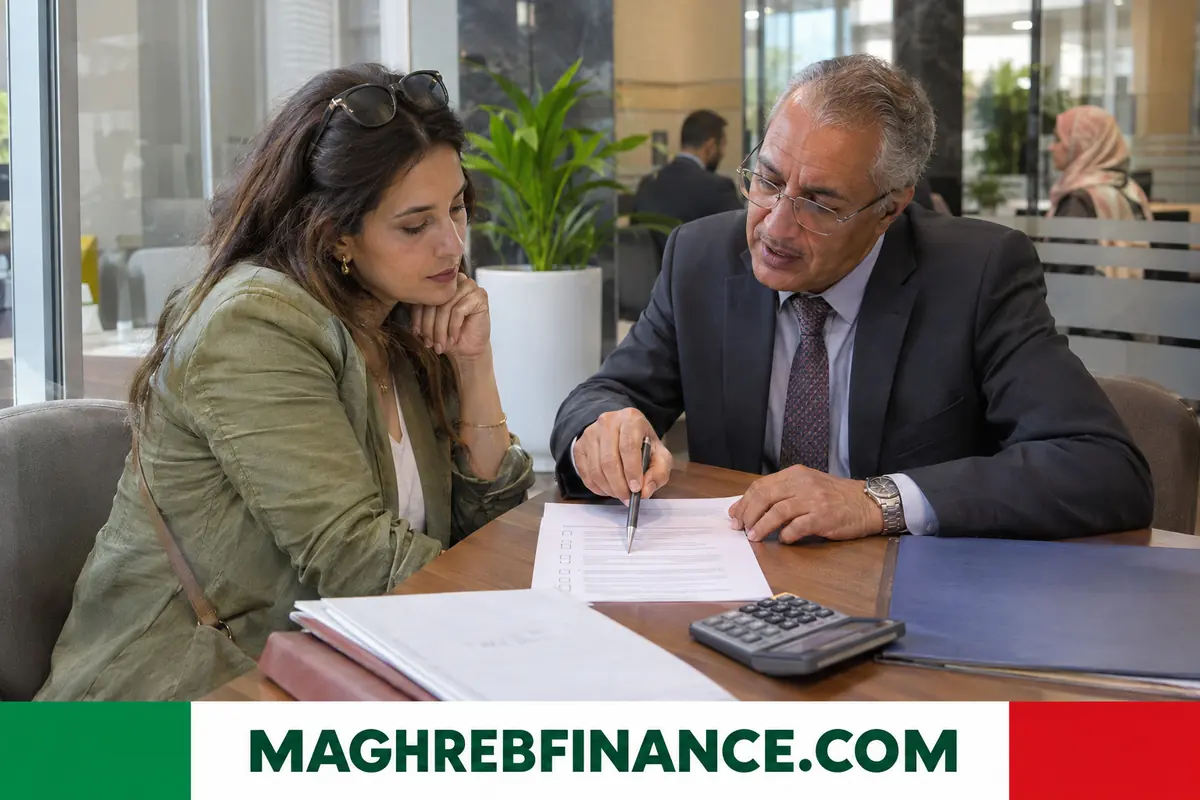
In Morocco, personal loan refinancing means having one or several existing loans repaid by a new lender or a new loan, in order to cut or spread debt and lower monthly repayments. The operation concerns consumer, car or mortgage loans expressed in dirhams. It is meant for households whose instalments weigh too heavily on the budget, or who find a lower rate elsewhere, and it requires a careful calculation of total cost before signing, including every fee and insurance premium.
Loan refinancing: the principle
Refinancing replaces old contracts with a single one, often on different terms. The new lender pays what the borrower still owes the former creditors, and the customer then repays one monthly instalment. Consolidation describes merging several debts, while renegotiation means obtaining better terms from the same lender.
The stated aim is to lighten the budget, but lower monthly repayments often come from a longer term, which raises the total cost. The right question is therefore not only what the new instalment is, but how much the whole debt will cost in the end.
Who can benefit in Morocco
The typical profile is an employee or civil servant who holds a car loan, a personal loan and a revolving card, with a high debt ratio. Refinancing can also suit an owner whose mortgage rate is higher than current market rates, or a client who wants to leave a contract that has become costly.
It is less suitable for someone whose income has fallen sharply and durably, as banks may refuse and a longer term may only postpone the problem. In that case, speak to the lenders about a rescheduling and seek budget advice. A calm review of fixed outgoings, such as telephone plans, insurance and subscriptions, sometimes frees more monthly room than a new loan and costs nothing. Money advisers attached to consumer associations can help prepare the discussion with the bank and explain the options before you sign.
Conditions and file
The institution that buys back the loans studies the whole picture: income, outgoings, payment history and the value of any property offered as security. It consults the credit information bureau, which lists existing commitments.
Usual documents
- the amortisation tables of the loans to be repaid;
- a settlement statement from each lender;
- recent payslips and bank statements;
- identity document, proof of address and employment certificate.
Costs to calculate before deciding
Refinancing pays off only if the total paid falls, or if the lower instalment answers a real need. Add the early repayment compensation requested by former lenders, the processing fees of the new one, the insurance and, for a mortgage, the costs of releasing and registering a new guarantee.
Then compare the remaining cost of the old loans with that of the new one, interest and fees included. Use the overall effective rate to compare offers fairly, and check how many extra years the new loan adds.
Consumer credit and mortgage refinancing
Refinancing a mortgage usually aims at a lower rate or a change of bank. The mortgage guarantee is transferred, with notary fees. For consumer loans, consolidation concentrates several instalments into one, normally without a real guarantee.
Mixed operations, where a mortgage is increased to repay consumer debts, can lower the instalment but secure small debts on the home and stretch them over decades. Think carefully before turning short debts into long ones. A fresh loan that includes extra cash for new spending can recreate the problem within a year.
Risks and traps
A frequent trap is the lower instalment that hides a much longer term and a higher total cost. Another is the broker who charges high fees for a service that the bank would provide free. Insurance bundled at an inflated price is a third.
Be wary of offers promising to wipe out debts or guaranteeing approval whatever your situation, and never pay fees upfront to an intermediary. Check that the lender is licensed by Bank Al-Maghrib and that the offer states the overall effective rate. Read the contract fully, including the clauses on early repayment. Keep the settlement statements of the old loans and make sure each one is closed in writing after payment, because an old contract that stays open can keep generating charges or appear in your credit record.
Steps, alternatives and an example
The steps are: list all debts and their remaining balances, ask each lender for a settlement statement, request offers from at least two institutions and compare them, then sign only when the saving is clear. Alternatives include renegotiating with your current bank, asking for a payment holiday, or repaying the most expensive debt first.
A technician in Tangier holds a car loan, a personal loan and a store card. By grouping them into a single loan he lowers his monthly repayments, but he checks that the early repayment compensation and fees do not cancel the gain, and he chooses a term only two years longer, accepting a lower saving to limit the total cost.
Frequently asked questions
Does refinancing always reduce what I pay?
No. It lowers the instalment more often than the total cost, since a longer term adds interest.
Are there penalties for repaying a loan early?
Contracts may provide compensation, within limits set by the consumer protection law, so ask each lender for a written settlement figure.
Can I refinance a mortgage and a consumer loan together?
Sometimes, but turning short debts into a long mortgage can raise the total cost.
Who can I ask for a refinancing offer?
Your current bank, other banks and licensed finance companies. Avoid intermediaries who ask for upfront fees.
What if my income has fallen?
Talk to your lenders about rescheduling and seek budget advice before taking a new loan.
Further reading
- Bank of Africa : Moroccan bank whose English-language site presents everyday banking for individuals: accounts, cards, savings tools, loans and digital banking.