
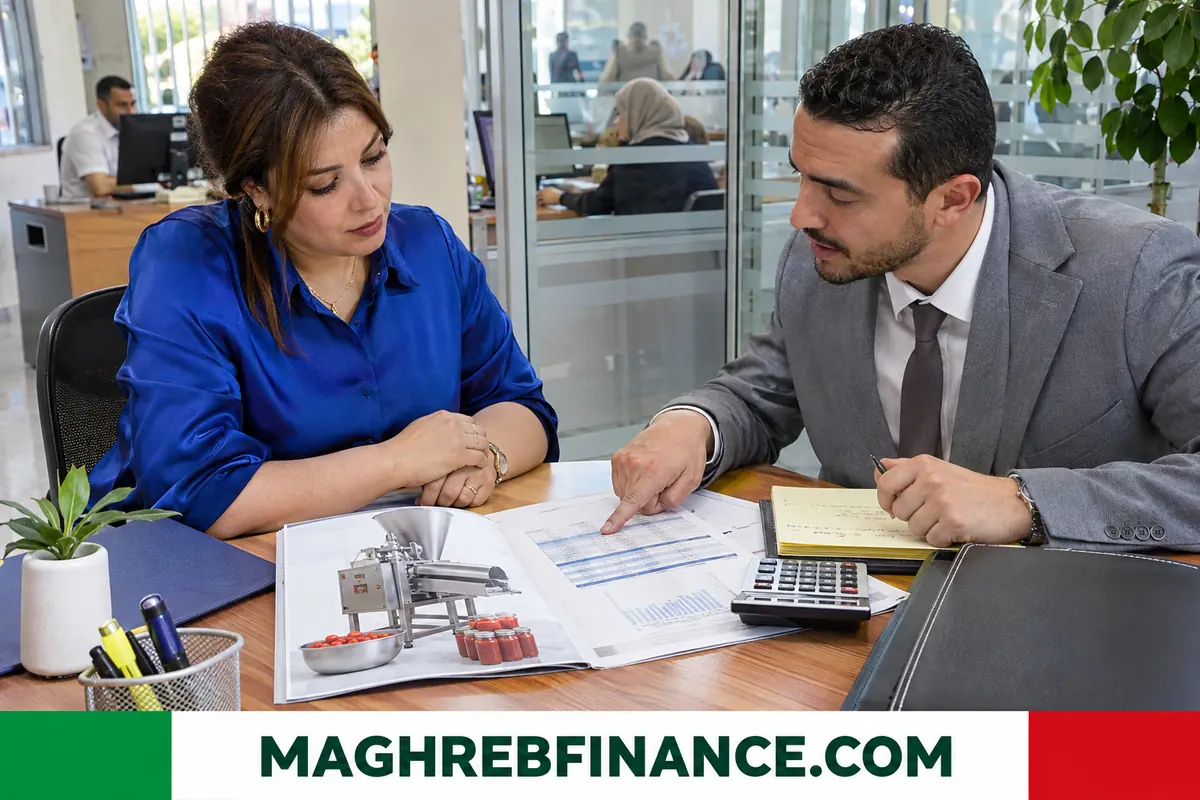
In Algeria, electronic payment terminals, known as TPE or POS devices, and ecommerce business solutions let merchants accept card payments in shops and on websites. A trader applies to a bank for a terminal or for access to an online payment gateway, then collects interbank cards and Algérie Poste cards in dinars (DZD) on a business account. Shops, restaurants, pharmacies, service providers and online sellers use them to be paid without handling cash and to leave a clear accounting trail.
The in-store terminal: how it works and which cards it accepts
The terminal reads the customer's card, asks for the PIN, sends an authorisation request to the card network and prints or displays a confirmation. The amounts are credited to the merchant's account within a delay set by the bank.
In Algeria, interbank card payments are organised around SATIM, the national operator for clearing and securing card transactions, with the CIB interbank card; Algérie Poste issues its own Edahabia card in a neighbouring framework.
Models include fixed terminals on a phone line, portable devices for delivery or restaurants and smartphone solutions. A terminal needs a stable connection, so test the signal before ordering where coverage is uneven.
Online payments and the ecommerce framework
Distance selling is governed by the law on electronic commerce, which sets duties on seller identification, consumer information, sales conditions and dispute handling. A web shop needs a secure payment solution supplied by its bank or by an authorised provider.
A gateway secures the exchange with the customer's card and sends the site a confirmation. The merchant must never store card data. Clear terms of sale, a returns policy, delivery times and contact details matter as much as technical security, because customer trust depends on them.
Can a terminal take payments by phone?
That depends on the acceptance contract and the bank. Remote payments carry more fraud risk and follow specific security rules.
How to obtain a terminal or an online solution
The usual route is simple.
- Hold a business account in a bank that offers the service.
- Supply the commercial register extract, the tax number and the manager's identity papers.
- Describe the activity and the expected volume of transactions.
- Sign the acceptance contract and follow the installation or technical integration.
For a website, the bank may ask for a presentation of the site, the sales conditions and the legal notices before granting gateway access. If the terminal breaks down, contact the bank or the provider at once for a replacement and keep another way of collecting, such as cash or transfer, in the meantime.
Fees, commissions and settlement times
An acceptance contract may include installation or hire charges for the device, a possible subscription and a commission on each transaction. Terms differ by bank and by line of business, so request the complete tariff, the delay before the account is credited and the handling of cancelled operations.
A trader then measures the effect on margin: if the commission is a reasonable share of the average basket, easier sales outweigh the cost. A pharmacy taking dozens of payments a day can compare the total commission with the money saved on change errors and cash counting. A business with very small baskets feels the commission more, so the decision needs care.
Security and fraud prevention
Common risks are counterfeit cards, disputed payments, delivery fraud and hacked websites. Merchants should check identity on large amounts, keep receipts, update software and use strong passwords.
Online, strong customer authentication by an SMS code or an app reduces fraud. A site that exposes data poorly or accepts unauthenticated payments takes on responsibility.
When a customer disputes a payment, the merchant keeps proof of sale and delivery, answers the bank's request promptly and follows the procedure in the acceptance contract.
Benefits, obstacles and choosing a provider
Electronic payment cuts cash handling, reduces theft and till errors, creates an accounting trace and helps bank assessments of activity. It also reaches customers who carry little cash, such as tourists and business buyers.
Obstacles include unstable connections, cash habits and untrained staff. A shop can start with one terminal at the till, display the accepted cards and train employees, with a fallback for network failures.
Small shops usually take their bank's offer; a growing web shop compares gateways on ease of integration, stability and customer service.
Everyday benefits for a small shop
A trader who accepts cards also reaches customers who rarely carry cash, such as visitors from abroad, companies and buyers of expensive goods, which can widen the clientele of a neighbourhood shop.
A well-documented history of takings improves the bank's reading of the activity and can help when asking for a loan or a higher overdraft. Posting the accepted payment methods at the entrance informs customers and avoids awkward refusals at the till.
If activity is seasonal, as in tourism or catering, ask whether the contract carries fixed monthly charges even in quiet months and whether the terminal can be suspended temporarily. Reviewing collection statements each month shows gaps early.
Frequently asked questions
Must a trader have a terminal?
Public authorities strongly encourage equipment and may require it in some sectors. Ask the bank or the administration which rules apply to your activity.
What does the merchant pay on each payment?
A commission set by the bank, sometimes with a subscription. The tariff is in the acceptance contract, which should be read before signing.
How long until card payments reach the account?
The crediting delay depends on the bank and the type of terminal. It is stated in the contract and visible on statements.
Does an online shop need an approved solution?
Yes, it must use a secure payment solution offered by a bank or an authorised provider, in line with the electronic commerce framework.
Do shops have to accept cash as well?
Cash remains legal tender, so most traders keep both options. Rules on electronic acceptance vary by sector, so check with the bank.