
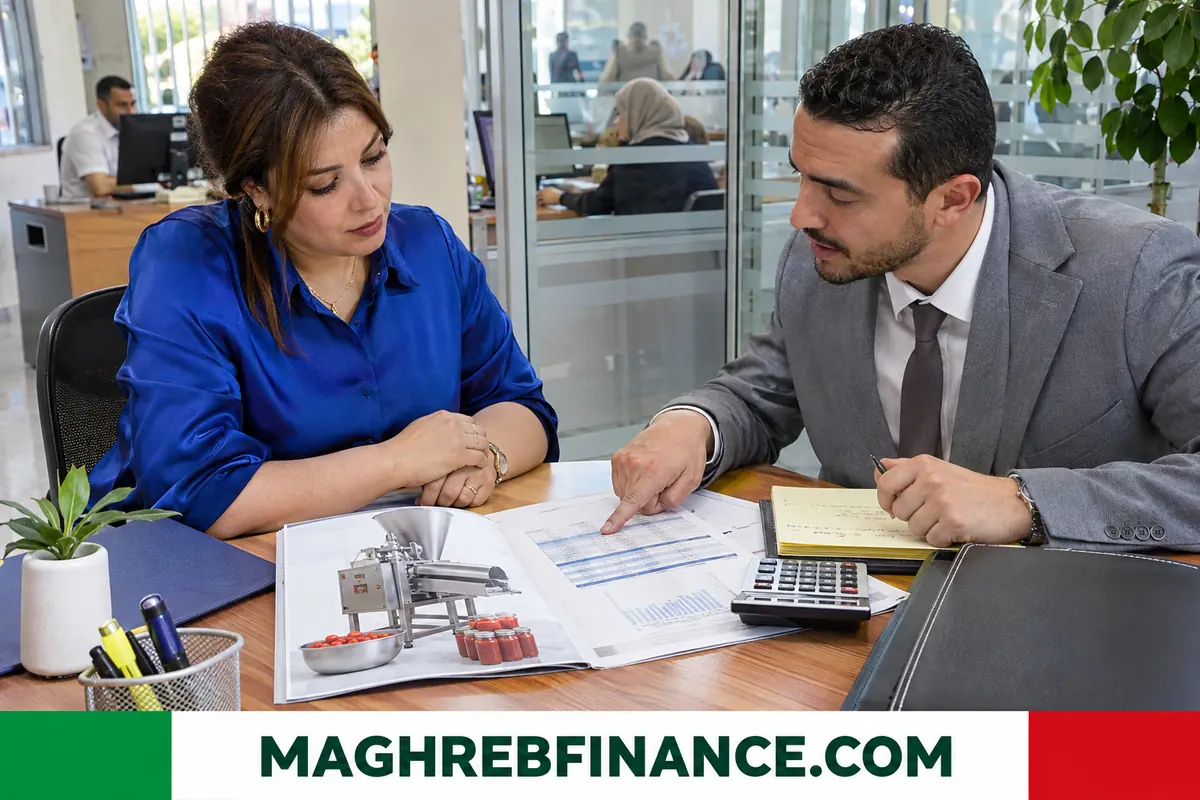
In Algeria, corporate treasury investments are the short-term uses of surplus cash, such as term deposits with banks or units in money market SICAV funds, instead of leaving the money idle on a current account. They seek a compromise between availability, safety and return. Firms with seasonal income, a planned investment or a reserve to build use them to put funds to work, in line with banking and financial regulation, in Algerian dinars (DZD), under the oversight of the Bank of Algeria and the stock exchange regulator.
Why a company invests its treasury
Cash left unused on a current account earns little, while expenses such as taxes, salaries and supplier payments fall due on known dates. Dividing treasury into operating cash, a short reserve and a medium reserve allows each part to be matched with a suitable instrument.
A firm with a harvest or a tourist season may collect most income in a few months and spend it over the year. Another may be accumulating funds for equipment. The right product depends on when the money will be needed, not only on the rate offered.
The corporate term deposit
A term deposit locks funds for an agreed period in return for a rate stated in the contract. Banks offer fixed maturities, and early withdrawal may reduce or cancel the interest. The Islamic windows of some banks offer investment accounts shared on profit rather than interest.
Questions to ask: the minimum amount, the maturity ladder, penalties for early exit, whether interest is paid at maturity or periodically and how the deposit is shown in the accounts.
A company can spread deposits over several dates so that part of the money is released regularly, which gives flexibility without giving up all return.
SICAV and short-term funds
A SICAV is an open-ended investment company whose units can be bought and sold. Funds with a money market or short bond orientation aim for stability and are managed by asset management firms, often linked to banks, under the supervision of the stock exchange regulator COSOB.
Unit values can move, so the return is not guaranteed. The prospectus states the strategy, fees and redemption delay. A treasurer should read the document, the most recent reports and the exit conditions before subscribing.
Other short-term instruments and risks
Treasury bills and bonds, usually reached through banks, extend the choice, as do interest-bearing certificates issued by banks. Each instrument has its own liquidity and its own pricing.
Main risks: liquidity, if money is needed before maturity; counterparty risk, if the bank or the fund manager has difficulties; and rate risk, if market rates move after a fixed-rate placement. Concentrating all funds with a single institution increases the exposure.
A firm should also check that the amount of its placement stays compatible with loan covenants, guarantees pledged to lenders and cash needs for tax payments.
Tax and accounting treatment
Income from placements is generally part of the company's taxable result, and the accounting treatment depends on the instrument. Term deposits appear as financial assets, while fund units are valued at their market value on the closing date.
Because rules and rates change with finance laws, the company should confirm the treatment with its accountant or a tax adviser before subscribing and record each placement with its supporting documents.
Do Islamic placements follow the same rules?
The accounting follows the same principles, but returns are expressed as a share of profit and depend on the performance of the underlying assets.
Building an investment policy and talking to the bank
A written policy lists the purpose of the funds, the horizon, the permitted instruments, the maximum share per counterparty and the person authorised to decide. Cash forecasts updated every month show when money can be committed.
When approaching banks, request offers in writing, compare net returns after fees, check how quickly cash returns to the current account and ask which guarantees apply. Relationship managers can propose a mix, but the company decides.
Reviewing the policy each year keeps it in step with the firm's activity, with its investment plans and with changes in market conditions.
A worked example for a seasonal business
Consider a date packer that sells most of its output between autumn and early winter. After the sales season it holds a large balance, yet it must pay wages and premises costs throughout the quiet months and prepare the next harvest.
The treasurer might keep a first part on the current account for the following eight weeks of costs, place a second part in term deposits maturing at three-month intervals and put a third part, which is not needed before the next campaign, in a short money market fund.
At each maturity the money can be reinvested or used for stock purchases. This ladder keeps cash available when needed and avoids tying all funds to a single date.
Frequently asked questions
Is a term deposit safer than a SICAV?
It is usually more stable in value, but it ties up money until maturity. A SICAV is more flexible, yet its unit value can fall.
Can a company invest in dinars and foreign currency?
Dinar placements are the norm. Foreign currency use depends on exchange rules and on the type of account held.
Do banks guarantee the return?
A term deposit states its rate in the contract, but no return is promised on fund units. Read the terms in each case.
How much cash should stay available?
Enough to cover salaries, taxes and supplier payments for the coming weeks. The exact amount follows a cash forecast.
Does the firm need board approval to invest?
Often the statutes or internal rules require approval over a certain amount. Check the company bylaws and the written investment policy.
Further reading
- Arab Bank Algeria : Bank offering corporate banking, trade finance and an online banking platform for companies in Algeria.