
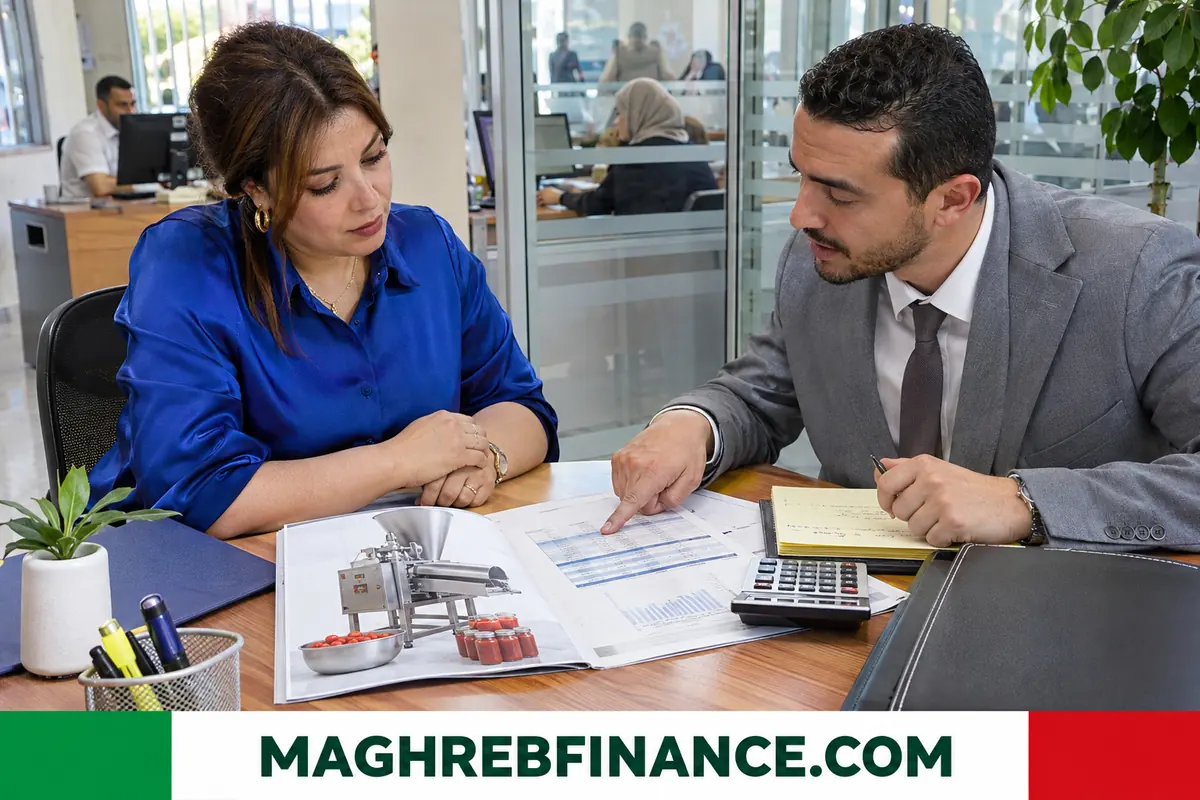
In Algeria, property leasing for offices, factories, warehouses and clinics is a financing method in which an approved institution acquires a professional building and makes it available to a company against instalments in dinars, with a purchase option at maturity. It falls under Ordinance 96-09 on leasing and the supervision of the Bank of Algeria. Manufacturers, healthcare promoters, logistics operators, traders and service companies use it to settle into premises without mobilising all their cash or waiting years to build up the funds for a purchase.
Principle and vocabulary of property leasing
The lessor, a bank or leasing company, buys land and a building, or finances their construction, according to the company's needs. The user pays instalments during a firm period, then chooses whether to acquire the property for a residual value set in advance.
Existing building or one to be built
The asset may already exist or be built to specification, for example a factory designed around a production line. In the second case the contract provides stages of payment and a delivery date.
Land alone is harder to finance by this route, since the lessor looks for a building that produces useful income or serves an identified activity.
Types of premises and sectors concerned
Company offices, factories and workshops, logistics warehouses, commercial premises, clinics, hotels and training centres can all be financed. Each type is assessed by its location, its flexibility of use and the ease of reselling it.
A clinic needs approvals and layouts specific to healthcare, whereas a warehouse is judged on its access, height and loading facilities. Premises that can serve several users are easier for a lessor to accept.
Mixed-use premises, such as offices situated over a showroom, are possible, but each part may be valued separately according to how it will be used.
Legal procedure and formalities
Property transactions require a notarised deed and registration with the land registry. The lessor must hold clear title, free of charges, and the company must verify the planning status of the site, including building permits and conformity certificates.
- Check ownership and any mortgage on the land.
- Confirm the permitted use under local planning rules.
- Clarify who pays registration duties and notary fees.
Early dialogue with the notary and the municipality saves months: missing permits or an unclear title are the most common reasons for delay in a property deal.
File, valuation and guarantees
The company submits statutes, accounts, a business plan and the property documents. An independent valuation sets the market value, and the lessor retains ownership throughout the contract, which usually reduces the need for additional collateral, though a guarantee from the managers is frequent.
For a project to be built, plans, permits, a cost estimate and a timetable are examined. The lessor also checks the builder's solidity and may require insurance covering construction risks.
Financial ratios also matter: lessors look at whether projected income covers instalments with a comfortable margin, even in a weaker year.
Term, instalments and overall cost
Property is financed over a long term, longer than for equipment. The instalment depends on the purchase price, the duration, the rate and the deposit. To the instalment must be added insurance, taxes, maintenance and, depending on the contract, registration fees.
Compare the total cost with the alternatives: a bank loan to buy the building, or an ordinary commercial lease. Buying through leasing gives a path to ownership, while an ordinary commercial lease preserves flexibility but builds no asset.
As an example, a distributor financing a regional warehouse might compare twelve years of instalments with the interest cost of a conventional loan and with the flexibility of moving to a larger site later.
Risks to examine before committing
The main risk is committing to a long contract for premises that no longer suit the business. Falling activity, a move or a regulatory change can make instalments hard to bear.
- Delay in construction or in obtaining permits.
- Rise in local taxes or service charges.
- Difficulty reselling a very specialised building.
Environmental and safety standards can also change the cost of using a site, particularly for factories and storage of hazardous goods.
Insurance, upkeep and tax points
The company insures the building against fire, water damage, natural disasters and third-party claims, and it bears repairs and maintenance. Tax treatment of instalments and depreciation depends on the contract and on prevailing rules, so an accountant should review it before signature.
Property tax and local duties generally remain with the user during the contract, and they should be included in the annual budget.
End of contract: buy, extend or return the premises
At maturity the company can exercise the option and become owner, extend the arrangement or return the property. Before deciding, it should compare the residual price with the building's market value and the cost of any works still needed.
Planning the exit
If the company wants to leave, the contract states the conditions for early termination and for assigning the lease to a third party. Reading these clauses before signing prevents unpleasant surprises, and keeping dated condition reports of the premises helps settle any claim at handover.
Frequently asked questions
Can a clinic use property leasing in Algeria?
Yes. Clinics are among the users, provided the premises meet health authority requirements and the operator holds the necessary approvals.
Who owns the building during the contract?
The lessor stays the owner until the option is exercised, while the company uses the building, insures it and pays for upkeep.
Is a notarised deed required?
Property transactions generally require a notarised deed and registration, so the parties should plan for notary fees and registration duties.
Is property leasing cheaper than a bank loan?
Not necessarily. Compare total costs, taxes and fees, as well as the flexibility each formula offers, before choosing.
Can land be financed on its own through property leasing?
It is difficult. Lessors usually prefer a building or a project that generates income, rather than bare land.