
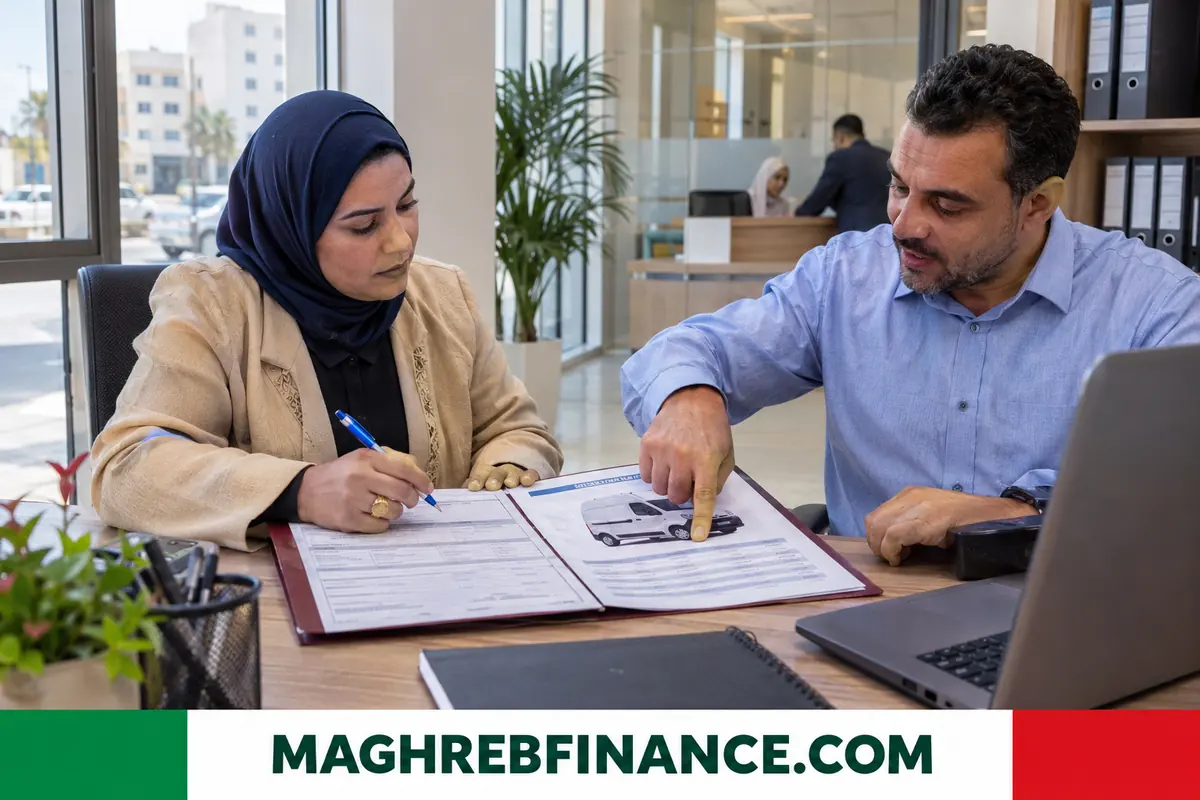
In Libya, business and company accounts give traders, firms and professionals a place to receive payments, pay suppliers and staff, and obtain professional banking services. Accounts are opened in Libyan dinars (LYD) at commercial banks supervised by the Central Bank of Libya, and some banks also offer foreign currency accounts under special rules. Opening an account requires registration papers and identification, and liquidity limits, transfer rules and cash availability strongly shape how businesses use their accounts. Ask each bank for its written conditions.
Types of business accounts
A current account is used for daily payments, cheques and transfers. Savings or term accounts can hold surplus funds, and some banks offer Islamic versions based on investment or deposit contracts rather than interest.
Sole traders can use a professional account in their own name, while companies need an account opened in the legal entity's name.
Associations, cooperatives and non-profit organisations follow separate rules and may need approval from a supervising ministry. They should ask the bank what authorisation letter is required before opening an account.
Documents needed to open an account
Banks usually ask for the commercial register extract, the trade licence, the articles of association, a tax or statistical number and identity papers for the manager and signatories. Foreign-owned companies may also need an approval of the investment.
A specimen of signatures and a letter naming authorised persons are also standard. Requirements differ, so request the bank's written list.
Keep different accounts for different purposes, such as one for operations and one for taxes and social contributions. This separation makes monthly checks easier and helps when a loan application requires clean statements.
Daily operations and payments
Companies use transfers, cheques, cards, cash deposits and electronic services to pay salaries, suppliers and customers. Some banks provide online platforms for balances and transfers, though coverage varies by branch and by bank.
Ask how long a transfer takes between cities and between banks, because delays can affect payrolls.
Mobile and card payments are used by shops and service firms, but terminals and connections can be unreliable. Ask what happens if a payment fails and how the bank settles card sales to the merchant account.
Ask whether the bank can import payment files for salaries, because uploading a list is faster and safer than keying each transfer by hand.
Cash, liquidity and withdrawal limits
Cash shortages have affected Libyan banks in recent years, and daily withdrawal limits may apply to businesses as well as individuals. A firm needing large cash payments should ask in advance what is available.
Reducing dependence on cash by paying through transfers and cards can protect operations when branches are short of notes.
A company's own staff are often the largest source of error. Set written approval limits, require two signatures over a set threshold and record every cheque issued, so that the account remains under control.
Check that bank statements arrive in a format your accountant can use, such as a spreadsheet or a clear printed statement.
Fees and costs
Typical charges include an account opening fee, monthly maintenance, transfer commissions, cheque books, card fees and charges for statements. Rates are set by each bank within central bank rules.
Request a written tariff and compare two or three banks. The cheapest account is not always the best if service is slow.
Some banks bundle account fees into a package with cards, online access and a set number of transfers. Calculate whether the package really costs less for your actual volume of operations.
Salary domiciliation and payroll
Many employers pay salaries through bank accounts, which helps staff obtain cards and access to credit. The company should agree on cut-off dates and the process for rejected payments.
Keep payroll records and bank confirmations for audits and labour disputes.
Small firms often prefer banks with a branch near their workplace, because queues and cash handling take time. Ask how long a deposit takes to appear and whether the bank offers a cash pick-up service.
Credit and trade services
Once the account has a history, a company may request overdrafts, term financing or Islamic contracts such as murabaha for equipment and stock. Banks usually require guarantees, financial statements and proof of activity.
Trade clients may also use letters of credit and guarantees, which often need a separate application and fees.
A good banking relationship takes time to build. Use the account regularly, deliver financial statements when asked and keep the account manager informed about large new contracts.
Ask also about merchant services and whether the bank can arrange leasing for vehicles and equipment, which may be useful when cash must be kept for working capital.
Compliance and good practice
Banks apply identity and anti-money-laundering checks, and ask about the source of funds, the main customers and expected volumes. Keep contracts, invoices and tax papers ready to answer questions.
Reconcile the account each month, limit the number of signatories and protect online credentials to reduce fraud risk.
Dormant accounts may be closed or charged, and a change of address or manager should be reported at once. Keep contact details up to date so that important notices do not go missing.
Frequently asked questions
Can a sole trader open a business account?
Yes, usually with a trade licence and identity papers, though documents vary by bank and activity.
Do Libyan banks offer foreign currency business accounts?
Some do under central bank rules, and access to foreign currency depends on regulations and on availability.
Is online banking available for companies?
Several banks offer electronic services, but features differ, so ask for a demonstration before choosing.
How long does opening take?
It varies from days to weeks, depending on the completeness of the documents and the bank's checks.
Further reading
- National Commercial Bank (Libya) : Libyan commercial bank whose English site lists business accounts, trade services, corporate cards and electronic services for companies.