
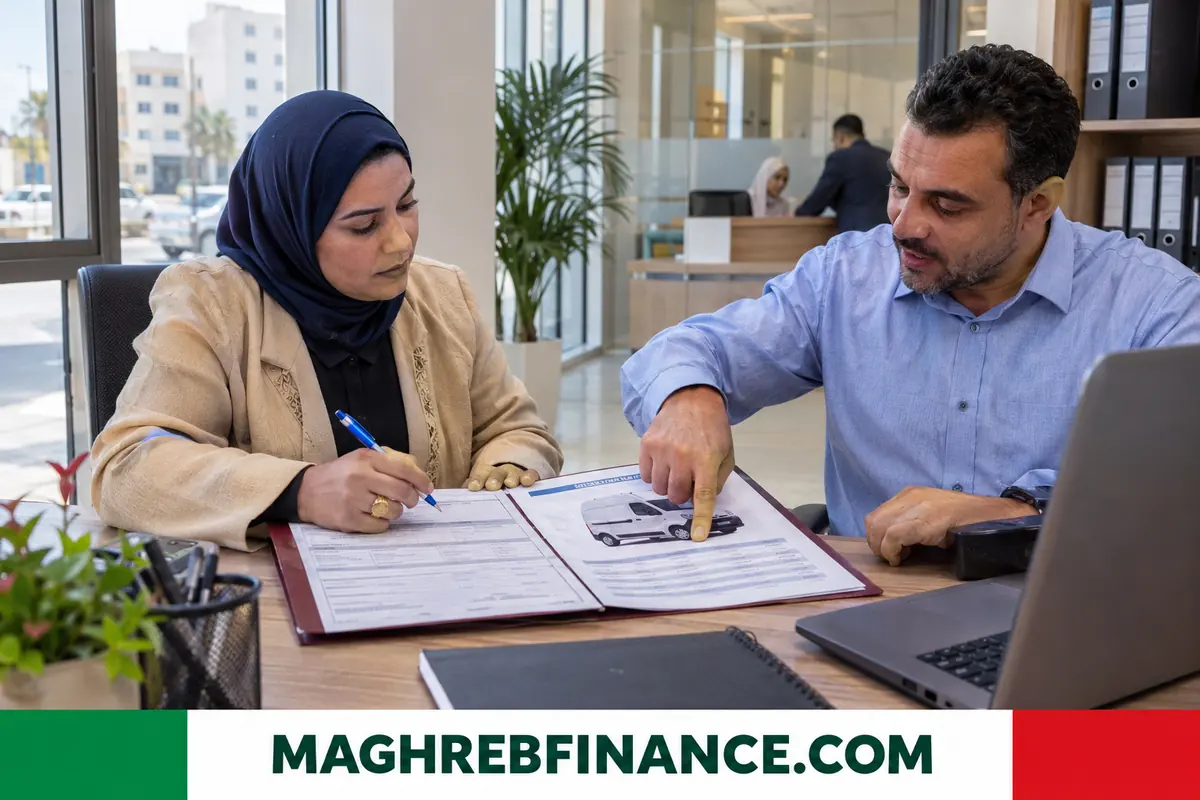
Libya, electronic payment terminals and ecommerce business solutions cover the devices, accounts and online tools that let a company accept card and wallet payments in Libyan dinars (LYD). The Central Bank of Libya sets the payment framework, while commercial banks and licensed payment providers supply terminals and gateways. Acceptance remains uneven because of liquidity pressure, limited card networks and variable connectivity, so many merchants combine terminals, mobile wallets, bank transfers and cash on delivery. Knowing who issues the equipment, how settlement reaches the account and which fees apply helps a business choose a workable setup.
How electronic payment terminals work in Libya
A point-of-sale terminal reads a bank card or a wallet code, sends the request to a processing switch and returns an approval or refusal within seconds. In Libya the terminal is normally supplied through an acquiring bank, which also credits the sales to the merchant account in dinars.
The system works best inside the domestic network, where cards issued by Libyan banks are accepted on terminals installed by Libyan banks. International card acceptance is narrower and depends on the bank and on foreign currency availability.
Merchants should also know that payment infrastructure has developed unevenly between regions and cities. A terminal that performs well in a large Tripoli shopping street may struggle in a smaller town with weak mobile coverage.
Bank terminals compared with mobile wallets
A bank terminal suits shops with steady card traffic, such as pharmacies, supermarkets and fuel stations. A mobile wallet or QR code suits smaller sellers because it needs only a phone and a registered account.
- Bank terminals: stronger audit trail, settlement straight into the business account, but installation and connectivity costs.
- Wallets and QR codes: quick set-up, lower entry cost, but limits on balances and transfers.
- Mixed approach: a terminal at the till and a wallet option for customers who prefer it.
Documents and conditions for a merchant account
Banks usually ask for the commercial registration, the tax number, the chamber of commerce membership, the articles of association for a company and the identity documents of the owners or managers. A dinar current account is normally required, since sales are credited there.
Some banks also review the premises, the type of goods sold and expected monthly turnover before approving a terminal. Seasonal or cash-heavy activities may receive a smaller initial limit until card usage proves steady.
It is sensible to ask in advance whether the bank requires a minimum balance, a guarantee deposit or a minimum monthly volume, because these conditions change the real cost of owning a terminal.
Ecommerce solutions for Libyan online sellers
Online selling in Libya relies on a blend of methods. Full card gateways are still limited, so many sellers publish products on social platforms and websites, then collect payment through bank transfer, wallet payment, local payment links offered by some banks or cash on delivery.
Cash on delivery remains popular because buyers can inspect goods first, yet it exposes the seller to refused parcels and courier cash handling. Digital collection reduces that exposure.
A business planning a proper online shop should ask its bank whether it can open an online acceptance service, which currencies are supported and whether refunds can be processed back to the buyer account without manual transfers.
Settlement, fees and cash availability
Costs typically include a terminal deposit or rental, a monthly service fee and a commission on each transaction. Settlement can take from the same day to several working days, depending on the bank and the network.
Liquidity matters as much as price. When branches limit cash withdrawals, funds credited by card may be hard to turn into notes, so a merchant should check withdrawal limits and transfer options before relying on card income to pay suppliers or wages.
Exchange-rate rules also matter for sellers who import stock, because dinar revenue does not automatically give access to foreign currency.
Risks, fraud and connectivity
Power cuts and unstable internet lines are the most common causes of failed card payments. A business should keep a backup connection, a printed record of declined payments and a clear procedure for manual reconciliation at the end of each day.
Fraud risks include cloned cards, false refund requests and social engineering by phone. Staff should never share terminal passwords, and any suspicious chargeback or unexpected debit should be reported to the acquiring bank immediately.
Practical steps to start accepting electronic payments
Begin by listing the payment methods customers already use, then ask two or three banks for written conditions covering fees, settlement times, support hours and replacement of faulty devices.
- Compare total monthly cost, not only the commission rate.
- Test the terminal in the real trading location before signing.
- Train cashiers on refunds, reversals and end-of-day closing.
- Keep records of every settlement for accounting and tax reporting.
After launch, review the monthly statement against the daily till reports. Gaps usually point to declined payments, duplicate entries or unpaid commissions, and catching them early prevents disputes with the bank.
Frequently asked questions
Can any Libyan business obtain a payment terminal?
Most registered businesses with a dinar account can apply, but banks assess activity, turnover and location. Informal sellers often start with wallets or QR codes instead.
Are international cards accepted on Libyan terminals?
Acceptance depends on the bank and the network. Domestic cards are far more widely supported, and foreign currency settlement is not guaranteed.
Is it possible to sell online with card payment in Libya?
A few banks and payment providers offer online acceptance, but many sellers still combine transfers, wallets and cash on delivery. Ask the bank which options are currently active.
How long does settlement take?
It varies from the same day to several working days. Bank holidays, network faults and verification checks can extend the delay, so confirm the schedule in writing.