
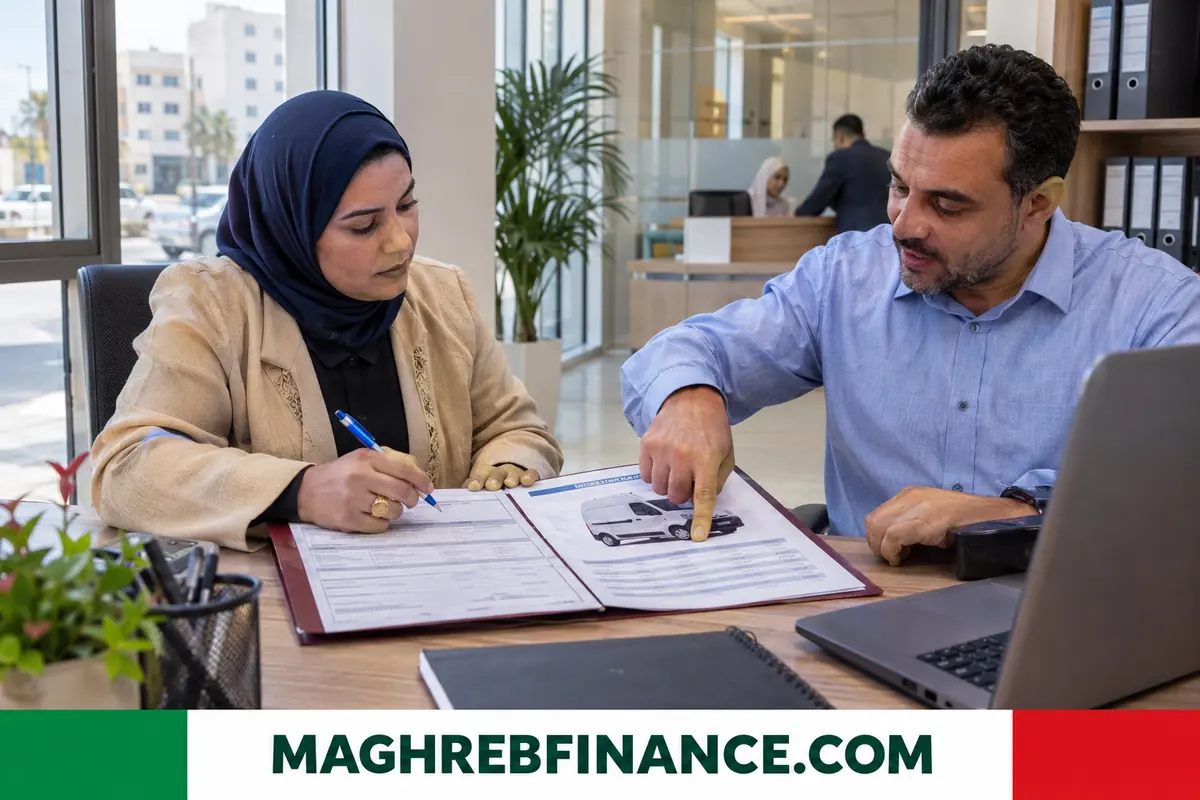
Libya, leasing light commercial vans and refrigerated trucks helps food, retail and delivery businesses obtain vehicles without paying the full price at once. A lessor buys the vehicle, the business uses it for an agreed period and payments are made by instalment, with ownership sometimes passing at the end. The market is limited and relies on bank financing, Islamic ijara structures and dealer arrangements under Libyan law. For cold-chain transport, the quality of the refrigeration unit, the power supply and the maintenance support matter as much as the monthly payment.
Why light commercial vehicles suit leasing
Vans and small trucks are the workhorses of local trade. They carry goods for shops, bakeries, pharmacies, caterers, building suppliers and courier firms, often travelling short routes in dense areas.
Because the purchase price is high compared with typical working capital, leasing spreads the cost and leaves cash for stock, wages and premises costs. It also lets a business match the vehicle to a contract, such as a supply agreement with a supermarket or hotel.
Business owners should evaluate the real number of deliveries per day, since a vehicle used lightly may be better supplied by a transport contractor than by a lease.
The vehicle's age matters too, since newer models are more efficient but cost more per month than older ones.
Refrigerated trucks and the cold chain
A refrigerated body keeps food, medicines or flowers at a set temperature. The refrigeration unit may run on the vehicle engine or on a separate generator, and its reliability is critical.
In Libya, high summer temperatures and occasional power cuts at depots make cold-chain performance a real concern. Buyers should inspect insulation, door seals, temperature recorders and the unit's service history, and make sure spare parts and technicians are available.
The temperature range should match the cargo: chilled dairy, frozen meat and fresh produce all call for different settings and pre-cooling procedures.
A good practice is to inspect the unit running at full load before delivery, with a temperature log kept for several hours.
Choosing the vehicle
Choose according to load, route and regulations. Questions to answer include the payload and volume needed, whether the vehicle will enter narrow streets, which fuel is easiest to obtain and how long the vehicle will remain useful.
A dealer with a good service network adds value, especially for refrigerated bodies that need specialist repair. Keep written specifications, including the body, unit and any extra equipment, in the lease file.
Where fuel quality varies, ask the dealer whether the engine tolerates local diesel and which filters should be changed more often.
Dealers sometimes offer maintenance packages with scheduled visits, which can be included in the monthly payment.
Documents and conditions
Lessors usually require company registration, tax documents, a pro-forma invoice from the dealer, bank statements, identity papers and a driver licence for the intended users. Food businesses may also need a health or hygiene permit for transporting food.
Initial payments, guarantees and the length of the lease depend on the lessor's assessment of the business and the age of the vehicle. Newer businesses may be asked for stronger security.
Keep copies of vehicle registration, inspection certificates and drivers' licences on file, as authorities may check them at roadblocks and ports.
If the vehicle will be used by several drivers, name them in the contract and the insurance, to prevent a claim being refused.
Costs, insurance and maintenance
Beyond instalments, include registration, comprehensive insurance, fuel, driver costs, servicing, tyres and refrigeration unit upkeep. Insurance should cover the cargo where possible, since spoiled goods can be costly.
Ask whether the lessor allows modification, such as branding or shelving, and who owns those additions at the end. Keep a service log, because lessors may check the vehicle's condition when it is returned.
Some providers allow a payment holiday during off-peak months, which is worth negotiating for seasonal food or ice cream distributors.
Insurance premiums vary with the cargo and the cities served, so request a quotation before signing the lease.
Risks
Typical risks include breakdowns that stop deliveries, spoilage when a cooling unit fails, fuel price changes and fixed instalments during slow trade. Unplanned stops can break customer contracts.
Reduce them by scheduling servicing, training drivers on temperature checks, keeping a backup vehicle or arrangement with another operator, and building an emergency fund.
Drivers should record temperatures at loading and delivery, which protects the business in case a customer complains about spoiled goods.
Plan for downtime by agreeing a replacement vehicle or a fast repair commitment with the provider.
Practical steps
Compare quotations from banks, dealers and any leasing providers. Check total cost, deposit, insurance requirements and early termination rules. Ask for a written statement about who is responsible if the refrigeration unit fails and for how long a replacement will be provided.
Only sign once the delivery date, penalties for delay and replacement arrangements are written into the contract.
Keep each document in a shared folder so managers can find them quickly.
Frequently asked questions
Can a small shop lease a van?
Yes, if it meets the lessor's conditions. Small firms may be asked for a larger deposit or guarantees.
Is insurance for goods included?
Not always. Vehicle insurance and cargo cover are different, so ask for both and confirm what is excluded.
What should be checked on a refrigerated truck?
Insulation, temperature records, the cooling unit's service history, door seals and the availability of spare parts and technicians.
Who owns the vehicle at the end?
It depends on the contract. Some leases transfer ownership at the end, while others require the vehicle to be returned.