
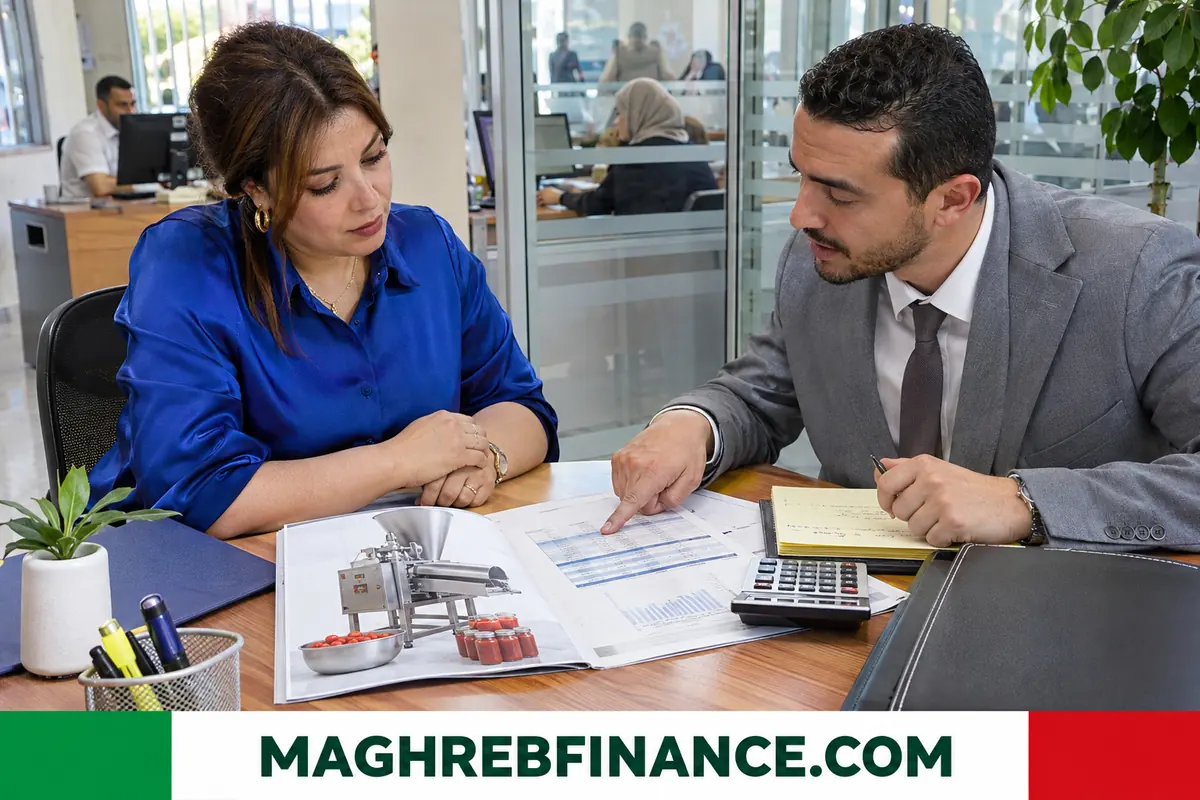
Throughout Algeria, restaurant, hotel and bakery equipment leasing, known in the trade as CHR, is a finance lease that equips a restaurant, hotel or bakehouse without tying up all the capital at the start. A bank or approved leasing company buys the equipment, makes it available to the operator against instalments in dinars and gives the option to buy it at maturity. Restaurateurs, hoteliers, hospitality groups, bakers, pastry makers and café managers use it to open premises or renew their kitchen.
Equipment that restaurants, hotels and bakeries can finance
In a professional kitchen, leasing covers combination ovens, ranges, fryers, sinks, extraction hoods, cold rooms, refrigerated display cases and dishwashers. A bakery finances kneaders, deck or rotary ovens, dividers, laminators and proving chambers.
Hotels and hospitality
A hotel equips rooms with bedding, air conditioning and furniture, and its laundry and kitchen with industrial machines. Each purchase is assessed according to its useful life and resale value.
Coffee machines, ice makers, display counters, grills and pizza ovens belong to the usual list as well. For a hotel kitchen serving banquets, large-capacity equipment is assessed separately because the investment is higher and its use more seasonal.
Why restaurateurs and bakers choose this financing
Opening a restaurant requires large sums before the first customer arrives: commercial premises, works, stock, licences and equipment. Financing the kitchen through a lease avoids exhausting cash before serving a single meal and leaves room for opening stock and recruitment.
For an existing bakery, it allows an ageing oven to be replaced with minimal downtime.
Take a family restaurant opening near a university: instead of paying for the kitchen at once, the owner leases the main appliances, keeps cash for the first months of supplies and wages, and tests the concept before further investment.
File, permits and project analysis
The lessor asks for the operator's statutes or registration, the commercial register, the opening permits of the establishment, the health compliance certificate and the supplier's pro forma invoice. A business plan details the covers or loaves sold, the average price, staff costs and raw materials.
- A location study covering site, competition and footfall.
- Proof of the premises, by lease or title.
- Quotes from several suppliers for comparison.
Lessors also favour operators with experience in the trade, so a chef's references or a manager's earlier results can support an otherwise young company.
Term, instalments and real cost of kitchen equipment
An oven or cold room is financed over a medium term, because its useful life spans many years if it is maintained. A larger first instalment lightens later payments and reassures the lender.
The real cost includes instalments, insurance, energy, consumables and servicing. A power-hungry cold room or a poorly insulated oven raises operating costs, so compare energy ratings as well as prices.
If the lease includes installation, check whether the contract counts it in the financed amount or whether it must be paid separately to the supplier.
Hygiene, refrigeration and safety standards
A food business is subject to hygiene rules and inspections. Equipment must be easy to clean, suited to the cold chain and compliant with safety standards, especially for gas and electricity.
Choosing stainless steel appliances with locally available parts and a network of technicians avoids long stoppages. A cold room failure, for example, can destroy a stock of perishable goods within hours.
Staff training in cleaning procedures and temperature checks is part of good practice, and records of those checks protect the operator during inspections.
Insurance and upkeep: costs not to neglect
The operator insures the equipment against fire, water damage and theft; cover for spoiled food after a refrigeration failure is often useful. The lessor is named beneficiary of compensation linked to the equipment.
- Schedule degreasing of hoods and descaling of machines.
- Keep maintenance invoices and inspection reports.
- Set aside a reserve for wear parts.
Cover for the premises themselves, such as multi-risk insurance, is usually separate from cover for leased equipment and should be reviewed at the same time.
Business risks and what to do in difficulty
Catering and hospitality face seasonality, swings in raw material prices and competition. A prolonged fall in customers can endanger instalments. Facing difficulty, it is better to contact the lessor quickly to negotiate rescheduling than to let arrears settle.
At maturity the operator buys the equipment, returns it or signs a new contract for modern appliances.
Seasonal operators, such as seaside restaurants and summer hotels, should negotiate instalments that reflect their calendar of activity.
Choosing a supplier and preparing the installation
Before ordering, the operator compares suppliers on price, warranty, delivery times and after-sales service. A dealer who delivers, installs and trains staff brings concrete value, especially for sophisticated appliances such as combination ovens.
Preparing the premises
Installation sometimes requires works: a gas supply, enough electrical power, drainage and ventilation. Include these costs in the budget and check them with the supplier before signing, so the equipment can start working on the planned opening date.
Frequently asked questions
What does CHR mean in Algeria?
It is the trade abbreviation for cafés, hotels and restaurants, a sector that suppliers and lessors treat as a distinct market.
Can a bakery lease an oven in Algeria?
Yes. Ovens, kneaders and proving chambers are standard financed items, subject to the lessor's analysis of the business.
Which permits does the lessor expect?
Typically the commercial register, the opening authorisation of the premises and a health compliance certificate, together with the supplier's pro forma invoice.
What if business slows down?
Contact the lessor early to discuss rescheduling. Instalments remain due, and arrears can lead to penalties or recovery of the equipment.
Can a hotel lease laundry and kitchen equipment together?
Yes, provided the lender accepts the whole project. Grouping items in one contract can simplify administration but each item is still valued separately.