
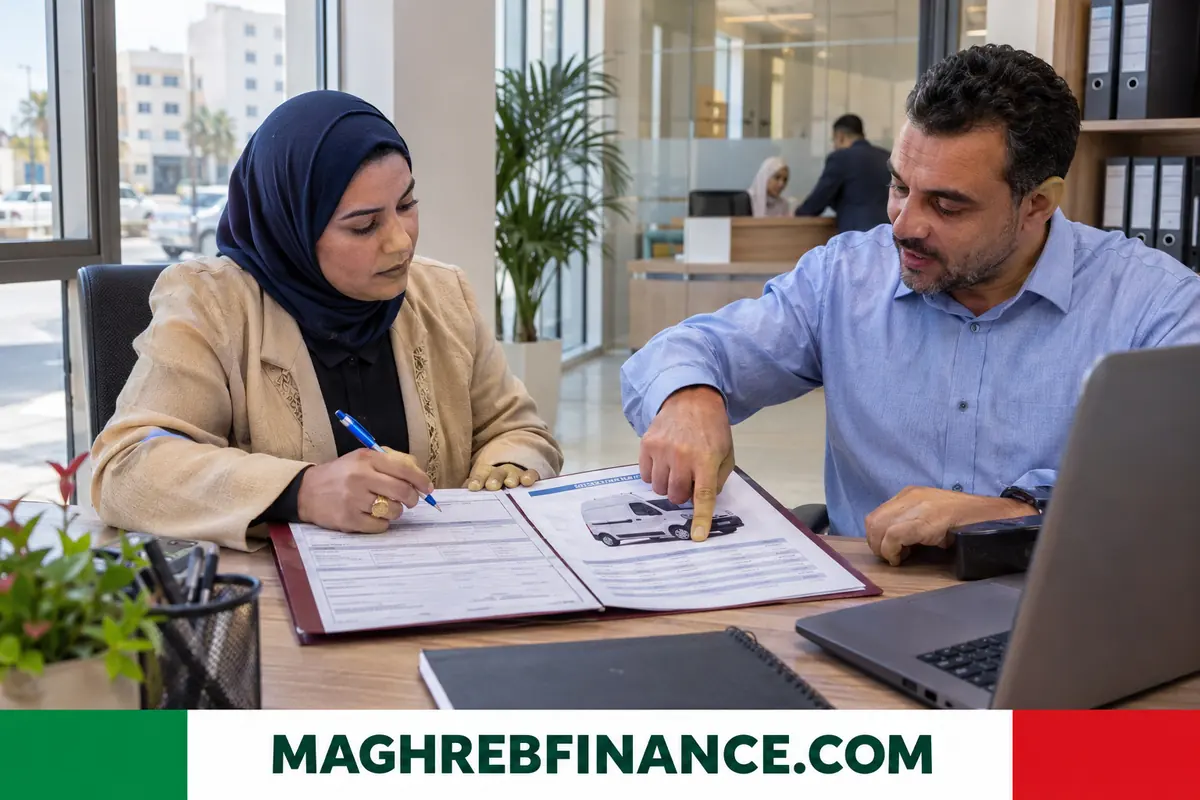
In Libya, earmarked consumer loans finance a specific purchase such as household appliances, home renovation or solar equipment, with the bank usually paying the supplier directly. Since the banking law prohibits interest, these arrangements take the form of a sale with a disclosed margin or an instalment contract, supervised by the Central Bank of Libya in Tripoli. Solar systems have become especially important because of power cuts, so households compare cost, warranties and installation quality closely before signing any contract.
What earmarked means
An earmarked loan is linked to a particular good or service. The customer shows a quotation or invoice, and the bank pays the supplier or reimburses the customer on completion. The money cannot be used for something else, which reduces the bank's risk and may allow easier terms than a general personal loan.
For the borrower, the main advantage is clarity: the invoice shows what the money bought, and the bank keeps a record. The main drawback is less flexibility, since a change of plan requires the bank's approval.
Public employees and holders of salary accounts often get the best terms, while other applicants may need to offer a guarantor or a larger down payment.
Household appliances
Refrigerators, washing machines, air conditioners and kitchen equipment are common purchases. Some banks have agreements with retailers, while others ask the customer to find a supplier. Compare the cash price at the shop with the instalment price in the bank contract. The gap between them is the cost of the facility.
Check the warranty, the after-sales service and the delivery date, and keep the invoice with the contract.
Energy-efficient models cost more at the start but lower electricity or fuel consumption, which matters in households that also run generators or batteries during outages.
Before accepting delivery, switch the appliance on, check serial numbers against the invoice and photograph any damage on the packaging.
Renovation and repairs
Renovation covers painting, plumbing, roofing, kitchens and bathrooms. A bank may require a contractor's quotation and may release money in stages after inspection. Obtain at least two quotations and a written scope of work with start and end dates.
- Agree payment milestones.
- Keep photographs of progress.
- Retain a part of the price until the work is accepted.
Beware of contractors who ask for a large advance and then delay work. Pay against progress, and make sure the bank's payment schedule matches the contractor's.
Solar equipment
Electricity outages in many areas have pushed families and small shops to buy solar panels, inverters and batteries. A system has to be sized to the household's real consumption. Ask the installer for a written design, the brand and capacity of each component, and the warranty period for panels, inverter and battery.
Quality varies widely among imported products, so prefer established suppliers and ask for references from earlier customers.
Ask whether the installer will provide maintenance visits, how batteries are replaced and how performance is checked after commissioning. A system that works well in summer may be undersized for winter evenings.
Contracts and costs
The bank may buy the goods and resell them to you at a higher price payable in instalments, or it may use another permitted structure. Ask for the total price, the number and size of instalments, insurance and any charge for early settlement.
Check who owns the goods until the last instalment and what happens if you miss a payment.
Compare the finance cost with the savings you expect, for example lower fuel for a generator, to see whether the investment is justified.
Confirm whether the bank charges a fee if the supplier cancels the order, and who bears it.
Risks
Price changes, delays in imports and exchange rate movements can alter the cost of equipment. A supplier may fail before installation, or goods may prove defective. Using a loan on a poor-quality purchase leaves the buyer paying for something that does not work.
Inspect the delivery, test equipment before accepting and note any fault in writing the same day.
Keep all warranty cards together and register the equipment with the manufacturer when possible.
Do not sign a delivery note until you have inspected the goods.
Choosing the right route
If you can pay in cash with savings, compare the saving with the instalment cost. Where borrowing makes sense, choose the shortest term you can afford and a supplier with a reliable reputation.
A short-term reserve for repairs and spare parts will protect the investment.
Questions to ask before signing
Who is the supplier, and is it approved by the bank? Is the price fixed or can it change before delivery? What happens if the goods do not arrive? Who handles warranty claims, the supplier or the bank? What documents will I receive at the end of the contract?
Insist on answers in writing and keep them with your contract file.
Frequently asked questions
Does the bank pay the seller directly?
Often yes, for earmarked loans. Ask how and when the payment is made.
Can I finance a solar system?
Some banks offer financing for solar equipment. Check the supplier, the design and the warranties.
Is the instalment price higher than the cash price?
Usually, because the bank adds a margin. Compare both prices in writing.
What if the equipment is faulty?
Report it in writing to the supplier and the bank, and rely on the warranty.
Can I repay early?
It depends on the contract. Ask whether early settlement reduces the margin.
Can I choose any supplier?
Some banks work only with approved suppliers. Ask for the list before choosing a quotation.
Is a down payment needed?
Often a share of the price is paid by the customer. The amount varies by bank and by product.