
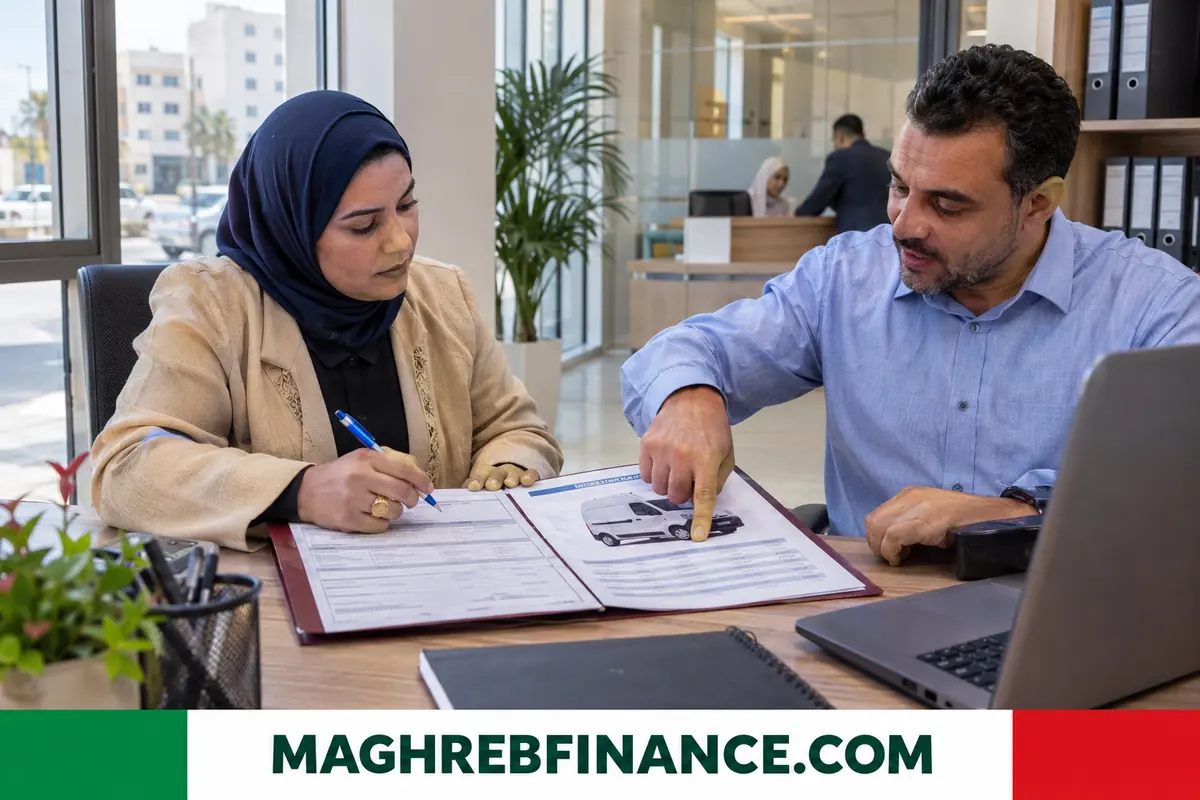
Libya, conventional movable asset finance through leasing lets businesses use machinery, vehicles and equipment while paying over time instead of buying outright. In a classic finance lease, the lessor purchases the asset chosen by the client and allows its use for a fixed period, with ownership sometimes transferred at the end. The market is small and rests mainly on contract terms, general civil and commercial law, bank practice and Central Bank of Libya supervision, with Islamic ijara structures common. Businesses should compare total cost, maintenance duties, insurance and what happens at the end of the contract.
How classic leasing of movable assets works
Movable assets are items that can be moved: machines, generators, trucks, office equipment, medical devices or production lines. In a leasing contract, a lessor, usually a bank or specialised company, buys the item and gives the business the right to use it for an agreed period against regular payments.
The business chooses the supplier and the equipment, and the lessor pays the supplier. The client then uses the asset, maintains it and pays the instalments. This keeps cash available for stock and wages, which is why leasing appeals to growing firms.
Typical examples in the Libyan market include bakery ovens, generators, medical imaging units, printing machines, packaging lines, forklifts and refrigeration equipment for food firms.
Finance lease and operating lease
A finance lease covers most of the asset's economic life. The client bears the main risks of use, and the contract often ends with a purchase option at a small price or an automatic transfer of ownership.
An operating lease is shorter, and the lessor keeps more of the risk and often handles maintenance, then takes the asset back. It suits equipment that becomes outdated quickly, such as computers. Before signing, confirm which model applies, because it changes accounting, taxes and responsibilities.
Accounting treatment differs, so the finance team should ask the auditor how the contract will appear in the accounts.
Islamic ijara and the Libyan context
Banking in Libya is shaped by Islamic principles, so leasing often takes the form of ijara: the lessor owns the asset, bears ownership risks and receives periodic payments for its use, while the lessee bears use-related costs. Ijara ending in ownership follows a separate promise or gift agreed at the outset.
Dedicated leasing companies are few, and many deals are arranged through banks or direct with dealers. Because specific leasing legislation is limited, the contract wording is critical.
The client should confirm in writing that the Islamic structure has been approved by the bank's own supervisory board, where one exists.
Eligible businesses and documents
Lessors favour firms with a registered business, a clear activity and enough cash flow to cover instalments. New businesses may be asked for a larger initial payment or extra guarantees.
A file normally includes:
- registration, licences and tax documents;
- financial statements and bank statements;
- a pro-forma invoice for the asset;
- identity documents of owners and signatories;
- a description of how the asset will generate income.
Imported equipment may also require customs and shipping documents.
Lessors may also ask for a guarantee from the owners, a deposit and a certificate that the supplier can deliver on time.
Costs, deposit and contract terms
Costs include an initial payment, periodic instalments, insurance, registration charges, taxes where relevant and sometimes an administration fee. The end-of-term price or transfer clause is as important as the instalment.
Request a full table of payments and ask what happens in case of early termination, late payment or destruction of the asset. A lessor typically retains ownership until the end, which means the client cannot sell or pledge the asset during the contract.
Ask about the residual value, because a low purchase price at the end can make the lease easier to afford but may raise instalments.
Maintenance, insurance and risks
The client is normally responsible for care, repairs and comprehensive insurance, with the lessor named as beneficiary. Regular servicing protects both sides, and records may be inspected.
Risks include technology becoming outdated, supplier delays, exchange-rate movements on imported equipment and the burden of fixed instalments in a slow trading period. Check whether payments continue if the asset breaks down, since many contracts say they do.
Keep copies of manuals, warranties and servicing records, as they support both the claim to the supplier and the return of the asset.
Ask also how the lessor handles a total loss, since the settlement should clear the remaining balance and avoid leaving the client with a debt for an asset it no longer has.
Choosing between leasing and a loan
Leasing preserves cash and links payments to use, while a loan gives immediate ownership but can require stronger guarantees. A lease may cost more overall but be easier to obtain.
Compare the total paid, the tax treatment, flexibility and resale value. For equipment that you want to own for many years, a purchase-based structure may be preferable.
A short trial of one machine is a sensible way to test the process before leasing a larger package.
Compare quotations.
Frequently asked questions
Is leasing common in Libya?
It is limited compared with larger markets. Some banks and a few specialist providers offer it, often through Islamic ijara structures.
Who owns the asset during the lease?
The lessor, until the contract ends or the transfer conditions are met. The client uses the asset but cannot sell it.
Can second-hand equipment be leased?
Sometimes, subject to valuation and condition checks. Lessors prefer newer assets with known history and a reliable supplier.
What happens if payments are missed?
The lessor may charge penalties, suspend use or recover the asset under the contract. Contact the lessor early to discuss rescheduling.