
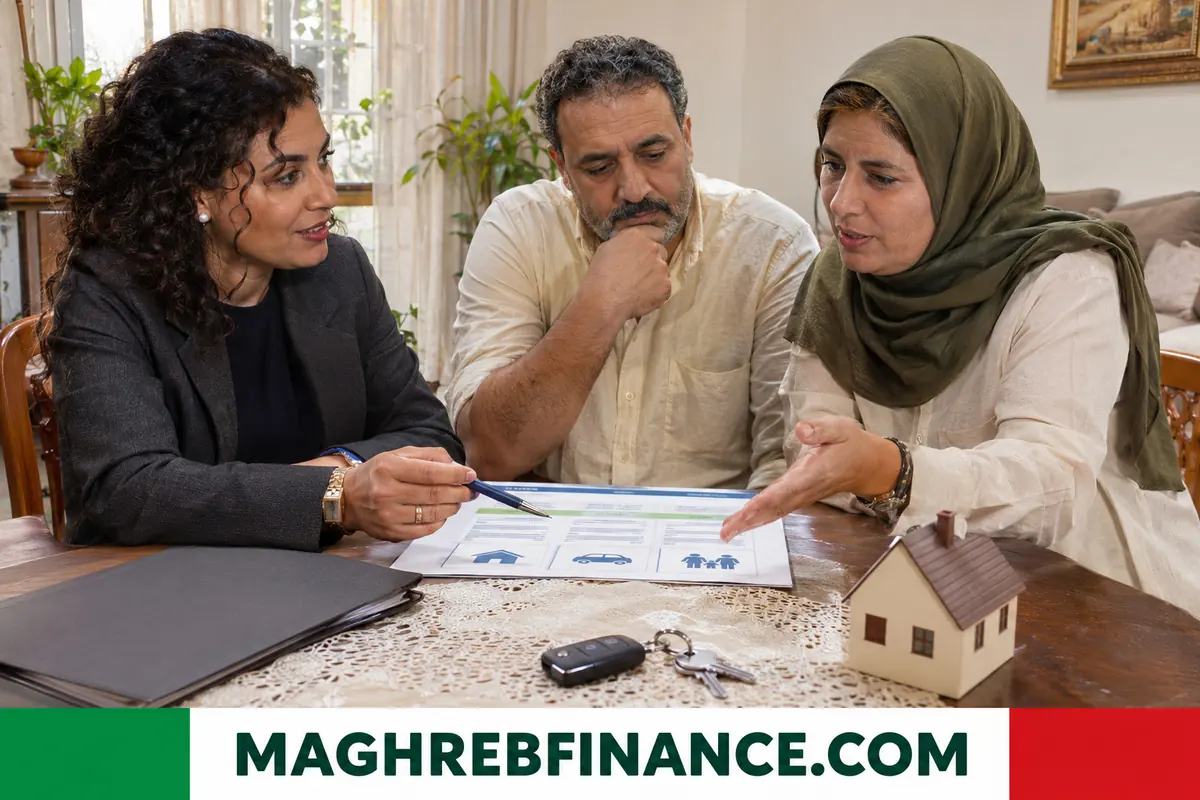
In Libya, long term care insurance and dependency assistance address the cost of help for people who can no longer perform daily tasks such as washing, dressing or moving without support. Families traditionally provide this care at home, and formal insurance for it is rare in the Libyan market. Where a policy exists, it pays an income or services in Libyan dinars (LYD), so buyers must check the definition of dependency, the age limits and the waiting periods carefully. Ask for the wording.
Long term care insurance: the concept
Long term care insurance pays a regular amount or a set of services when a person loses autonomy because of old age, illness or an accident. It is designed for needs that last months or years, not for a short hospital stay.
The benefit helps pay a carer, adapt a home or finance a place in a care facility.
Long-term care needs differ from medical needs. A person may be medically stable yet require daily help for years, and standard health insurance rarely pays for this kind of support. That gap explains why dedicated cover exists in other countries.
Ask the insurer whether a rehabilitation programme, such as physiotherapy, can be included in the benefit, since early rehabilitation can reduce long-term dependency.
Compare the total premiums you would pay until the expected age of need with the benefit promised, to see whether the contract offers fair value for your family.
Care in Libyan families
Care of elderly parents and disabled relatives has long been a family duty, often shared among sons, daughters and wives. This custom gives dignity but can place heavy physical, emotional and financial pressure on one household member.
Migration, conflict and economic strain have scattered families, so more relatives now look for paid help or insurance support.
For many Libyan households, the largest cost of caring for a relative is the lost income of the family member who stays at home. A benefit that can pay a part of that loss is therefore valuable, even when it is modest.
Ask a trusted adviser to read the contract with you before signing.
How dependency is assessed
Insurers measure autonomy with a scale based on daily activities such as eating, washing, dressing, moving and continence. A doctor or nurse completes the assessment and the insurer may request an independent opinion.
The threshold for payment varies, so ask exactly how many activities must be lost and how the level of dependency changes the benefit.
Doctors at public hospitals and private clinics can supply the medical certificates that insurers ask for. Ask early which specialists the insurer accepts, to avoid delays when a claim is made.
Benefits and how they are paid
Some contracts pay a monthly allowance that can be used freely, while others reimburse costs after receipts. The amount may rise with the level of dependency.
Ask whether the benefit is paid for life or for a limited period, and whether it is adjusted for rising costs, since prices in Libya can change fast.
A policy may pay for equipment such as a hospital bed, a wheelchair or bathroom adaptations. Ask whether these items are included and whether you must provide invoices before payment.
Eligibility, age and premiums
Cover is easier and cheaper to buy at a younger age, because premiums rise as the risk grows. Many insurers refuse applicants with existing conditions that are likely to cause dependency.
A medical questionnaire is standard, so answer accurately. A premium paid for decades can be lost if the insurer later shows that a major fact was hidden.
Policies sold abroad to Libyan expatriates may follow different rules and currencies. If a relative buys cover in another country, check whether benefits can be used for care provided in Libya.
Exclusions and waiting periods
Policies may exclude dependency caused by drug or alcohol abuse, self-harm, war and certain mental illnesses, and they usually impose a waiting period before benefits begin.
Ask what happens if the policyholder becomes dependent during the waiting period and whether premiums continue to be due while the benefit is paid.
A policy may continue after the first payment, so ask whether the waiting period restarts when you increase the benefit and how the premium changes with age.
Alternatives for families
In the absence of insurance, families rely on savings, relatives abroad, charities and government health services. Some private clinics and associations provide home nursing, physiotherapy and day care for a fee.
Planning matters: set aside funds, keep medical records organised and discuss wishes with relatives before an emergency happens.
Community groups, mosques and charitable associations sometimes help families with elderly or disabled relatives through visits, meals and transport. These services complement paid care and reduce isolation.
Making a claim and protecting rights
A claim is filed with a medical report, identity documents and the policy number. The insurer assesses the file and may repeat the evaluation at intervals to confirm that dependency continues.
Keep copies, ask for decisions in writing and use the complaints route and the supervising authority if you disagree with the outcome.
Keep an updated list of medicines, diagnoses and doctors, because insurers and carers need a clear history to assess needs and plan assistance.
Frequently asked questions
Is long term care insurance common in Libya?
No. It is rare, and families usually provide care themselves, so ask insurers whether they offer dependency cover.
What is dependency?
It means the inability to perform several basic daily activities without help, measured by a scale in the contract.
Can I buy cover when I am already ill?
It is difficult. Insurers often refuse or exclude conditions that already cause loss of autonomy.
Is care at home covered?
Some policies pay for a carer at home, while others reimburse only a care facility, so check the services included.