
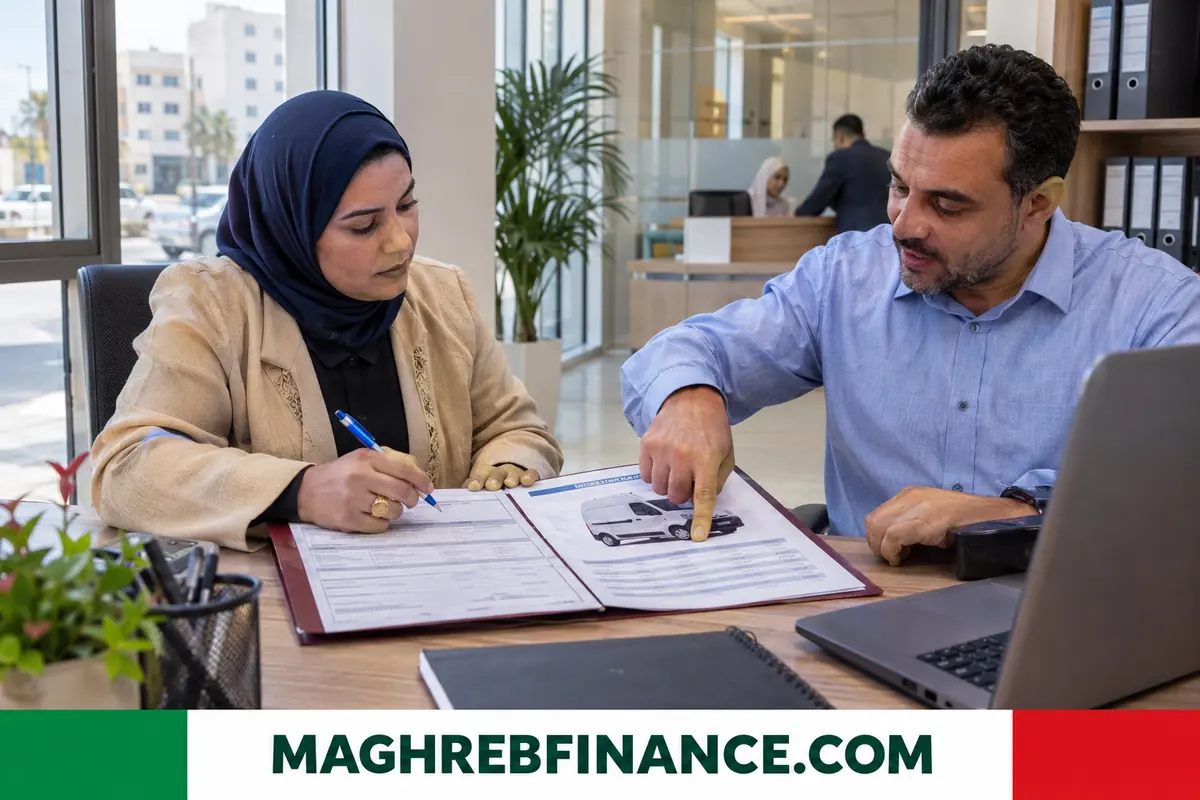
Libya: movable assets, property sale and leaseback financing is a technique in which a company sells an asset it owns to a lessor, then takes it back under a lease. The business obtains cash immediately and keeps using the machine, vehicle or building while paying instalments in Libyan dinars (LYD). The Central Bank of Libya supervises the banks that may provide such funds, and the Civil Code and the Commercial Code determine the validity of the sale and lease. Sound valuation and clear title are decisive.
Sale and leaseback: how it works
The company identifies an asset such as a production line, a truck fleet or a warehouse. A lessor values it, buys it and signs a lease allowing the company to keep using it. Payments run for an agreed period, and the contract may grant an option to repurchase.
The liquidity released can repay debts, fund stock or finance expansion, which makes the technique useful in a stressed economy.
Because the asset does not move, the operation is usually quicker than a new purchase, and it can be arranged with a lessor that already knows the sector. However, a rushed deal may leave important clauses unclear, so time should be allowed for proper review.
Assets that can be used
- Industrial machinery and production lines
- Trucks, buses, loaders and construction machinery
- Medical or laboratory equipment
- Warehouses, offices and commercial buildings
- Generators and other power equipment
- Boats or port equipment owned outright
Real estate gives the strongest base for this technique because its value tends to be more stable than that of machines, but vehicles and equipment with a clear market and good records can also qualify. The condition of maintenance logs strongly influences the valuation.
When it makes sense
A company that owns valuable assets but lacks cash, perhaps because customers pay late, may use this structure to restore working capital. A group that wants to concentrate on its core activity can free funds from property it does not need to own.
It is not suitable if the assets are already pledged to creditors, unless those creditors agree to release them.
Groups with several subsidiaries sometimes apply the technique to one entity only, keeping the rest of the structure unaffected. Whether this is wise depends on guarantees and cross-default clauses in other loan agreements.
Legal and documentary checks
Ownership must be proved by invoices, customs papers, registration certificates or title deeds. The lessor checks that no pledge, seizure or dispute affects the asset. For buildings, the registry and planning documents are essential.
The sale should be genuine and recorded properly. Poor drafting can create doubts about whether the transaction is a true sale, a loan or a security arrangement, which affects the rights of both sides.
Where the asset was bought with an earlier loan or leasing contract, the original financier must be repaid or must consent. The new lessor will ask for a written release before paying the price, and the process should be planned from the start.
Pricing and valuation
An independent valuer estimates market value and expected remaining life. The lessor typically pays a price under that value, which acts as protection, and sets instalments to recover the price plus its return. Compare the total of instalments and repurchase price against borrowing from a bank with security.
Ask whether tax, notary or registration costs apply to the sale and whether they are included in the figures.
A realistic price is more important than a high one. An inflated valuation may raise suspicion about the transaction and increase instalments beyond what the business can afford.
Risks for the company
The company may lose the asset if it defaults, and the lease may commit it to payments over a long time. A building sold and leased back might also be exposed to increases in charges. Currency, inflation and the volatility of local demand matter when instalments are fixed.
Employees, suppliers and creditors may be concerned if they learn that major assets have changed hands, so communication should be planned.
Accounting treatment should be discussed beforehand, because the same operation can appear differently in the financial statements depending on how the lease is classified.
Negotiating the lease-back
Define the term, the instalment schedule, the maintenance duties, insurance, and the right to repurchase. Seek a fair price for the option and confirm that the lessor cannot sell the asset to a third party without respecting the company's rights.
Agree what happens at default, including notice periods and the possibility of curing arrears.
Insurance deserves its own paragraph in the contract, naming the party who pays premiums, the beneficiary of claims and the steps to follow after damage.
Alternatives to compare
Secured loans, factoring, supplier credit or equity investment may meet similar needs. A bank adviser or accountant can compare them with sale and leaseback in terms of cost, flexibility and effect on the balance sheet.
A written comparison of at least three options, with the total amount payable in each, makes the final choice more objective. Include fees, taxes, insurance and the cost of losing the asset if payments stop.
Frequently asked questions
Can a company leaseback its trucks?
Yes, in principle, if the trucks are owned outright, registered correctly and valued by an independent expert.
Is the repurchase option guaranteed?
Only if written in the contract. Fix the price or the formula in advance, and keep a copy of the agreement.
Does the lessor pay full market price?
Usually less than full value, to cover risk. Ask for the valuation report and compare the offers of several lessors.
Can property still be used as normal?
Yes, the company continues to occupy the premises, subject to the lease terms on maintenance, alterations and insurance.
Is this the same as a mortgage?
No. A mortgage keeps ownership with the borrower, whereas sale and leaseback transfers it to the lessor, at least until a repurchase.